You Won’t Believe What I Found at Dhaka’s Hidden Markets
Stepping into Dhaka as a traveler feels like flipping through the pages of a vibrant, chaotic storybook. I came for the culture, but stayed for the shopping — honestly, I didn’t expect to be so blown away by the city’s bustling bazaars and local hubs. From handwoven textiles to street-side gems, Dhaka’s shopping scene is alive, raw, and totally authentic. If you’re checking in here, skip the malls and dive into the real deals only locals know.
First Impressions: Arriving in Dhaka with Shopping on the Mind
Touching down at Hazrat Shahjalal International Airport, the first thing that greets visitors is a wave of warm, humid air mixed with the faint scent of spices and diesel. The arrival hall buzzes with activity—families reuniting, porters balancing luggage like magicians, and signs in both Bengali and English guiding the way. As I stepped outside, the city revealed itself in full force: a kaleidoscope of rickshaws painted like moving art galleries, buses plastered with bold calligraphy, and motorbikes weaving through traffic with fearless precision. The rhythm of Dhaka is loud, fast, and unapologetically alive.
My mind was already on markets. I had read about Dhaka’s legendary bazaars—places where silk saris shimmer under bare bulbs and street vendors sell everything from marigold garlands to smartphone chargers. But nothing could prepare me for the sensory overload of the city’s commercial heartbeat. My initial assumption was that shopping here would be disorganized, perhaps even overwhelming. What I found instead was a deeply structured, culturally rich system of trade that operates on trust, tradition, and tenacity. Every corner turn revealed another micro-market: a woman selling handmade soaps from a wooden cart, a man arranging pyramids of mangoes on a cloth mat, children balancing trays of tea through narrow alleys.
It became clear within hours that commerce isn’t just part of Dhaka—it is Dhaka. The city breathes through its markets. Whether it’s a roadside stall selling secondhand books or a multi-story complex filled with fabric merchants, every transaction carries weight. Prices are negotiated not just for value, but as a form of social exchange. A smile, a joke, a shared moment over a cup of cha (tea)—these are as important as the goods themselves. For travelers, this means shopping here is never just about acquisition. It’s about participation in a living economy shaped by generations of resilience and creativity.
New Market (Sadarghat Area): The Pulse of Everyday Commerce
Nestled near the Shahbagh neighborhood, New Market stands as one of Dhaka’s most iconic shopping destinations, with roots stretching back to the British colonial era. More than just a marketplace, it’s a labyrinth of covered lanes, open-air stalls, and family-run shops that have passed down their businesses for decades. As I entered through the arched gateways, the air thickened with the scent of cumin, sandalwood, and frying samosas. Vendors called out in rhythmic chants, their voices blending into a symphony of commerce. This isn’t a place to rush—it’s a place to wander, observe, and engage.
The market is divided into distinct zones, each dedicated to a specific category of goods. The spice section alone is a feast for the senses: mounds of turmeric, red chili powder, fenugreek, and cardamom fill burlap sacks, their colors so vivid they look almost artificial. Shopkeepers scoop and weigh with practiced hands, offering samples with pride. Nearby, the fabric lanes dazzle with rolls of jamdani cotton, muslin, and silk in every imaginable hue. These textiles are not just materials—they’re heirlooms, often used in weddings and festivals, and many weavers still use traditional handlooms just outside the city.
Beauty and cosmetics have their own bustling corner, where local brands like Fair & Lovely and BoroPlus sit beside handmade herbal pastes and kohl-lined eyes being demonstrated on mannequins. Electronics vendors display everything from Bluetooth speakers to laptop chargers, though buyers are advised to test items carefully before purchase. And no visit is complete without a stop at the snack stalls, where puchka (a crisp, hollow puri filled with tamarind water and spiced potatoes) and jhalmuri (spicy puffed rice) offer quick, flavorful energy boosts.
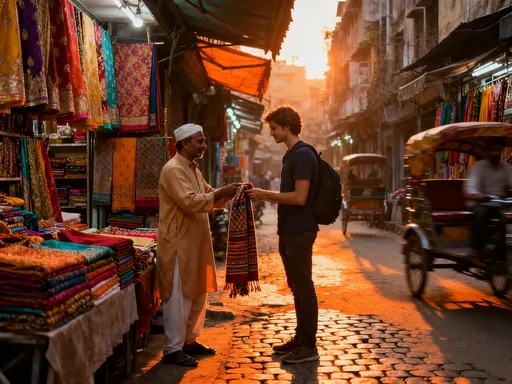
Navigating New Market requires strategy. Crowds peak between 10 a.m. and 7 p.m., so arriving early helps avoid the crush. Bargaining is expected, but it should be done with respect—starting at 50% of the quoted price and meeting somewhere in the middle is common practice. Vendors appreciate politeness and humor, and a simple ‘amake shohoj ektu kom din’ (can you make it a bit easier for me?) often softens the mood. While the experience is exhilarating, it’s wise to carry minimal valuables and keep bags zipped. With patience and presence, New Market reveals itself not as chaos, but as a finely tuned dance of daily life.
Bashundhara City: Where Modern Meets Convenience
After the intensity of street markets, Bashundhara City offers a refreshing contrast—a sprawling, air-conditioned sanctuary of modern retail in the heart of Dhaka. As one of the largest shopping malls in Bangladesh, it caters to both locals and tourists seeking comfort, security, and international familiarity. Stepping inside, the noise of rickshaws and hawkers fades into soft background music. Wide corridors, escalators, and clear signage make navigation effortless, a welcome relief after the organic maze of New Market.
The mall houses a mix of global and local brands. International names like Levi’s, Nike, and Samsung stand alongside popular Bangladeshi labels such as Aarong, Kay Kraft, and Yellow. Fashion, electronics, home goods, and children’s toys are all neatly organized across multiple levels. One of the biggest draws is the food court, where families gather over biryani, burgers, and bubble tea. The multiplex cinema screens both Hollywood blockbusters and Bengali films, making it a popular weekend destination for urban families.
For travelers, Bashundhara City serves as a safe and comfortable base for essential shopping—especially when dealing with electronics, medicines, or travel supplies. The mall is well-monitored, with security personnel at every entrance and CCTV coverage throughout. ATMs, currency exchange counters, and information desks add to the convenience. While it lacks the raw authenticity of street markets, it provides a necessary balance, particularly for those adjusting to Dhaka’s pace or traveling with children.
Yet, what makes Bashundhara truly valuable is its role as a cultural bridge. It’s where tradition meets modernity—where a woman in a sari shops beside a teenager in jeans, where elders sip tea in a café while grandchildren play in the arcade. It doesn’t replace the soul of Dhaka’s bazaars, but it complements them. For visitors, spending a few hours here isn’t surrendering to comfort—it’s understanding how Bangladeshis themselves navigate their evolving economy. Whether you’re recharging your phone or treating yourself to a dessert, Bashundhara City reminds you that progress and preservation can coexist.
Kazipara and Mirpur Road: Street Shopping Like a Local
To experience Dhaka as residents do, one must venture beyond the tourist radar into neighborhoods like Kazipara and along Mirpur Road. Here, shopping unfolds on the sidewalks, under tarps, and in the back of rickshaws. There are no price tags, no mannequins, no glossy displays—just people selling what they have, where they can. This is budget retail at its most dynamic, where a blouse might cost $3 and a hand-stitched wallet $5. The inventory changes daily: one day it’s imitation jewelry and hair clips, the next it’s phone cases, secondhand shoes, or embroidered cushion covers.
What makes these stretches compelling is their spontaneity. Vendors set up in the morning and pack up by dusk, often relocating based on foot traffic or local permits. Some specialize in seasonal items—umbrellas during monsoon, woolen scarves in winter, festive decorations during Eid. The fashion here leans toward imitation of global trends, but with a local twist: floral prints inspired by rural embroidery, bold colors favored in Bengali weddings, and modest cuts that reflect cultural norms.
Shopping in these areas requires a different mindset. There’s no customer service in the Western sense—no returns, no receipts. Transactions are cash-only, quick, and final. But what’s lost in convenience is gained in connection. A vendor might offer you a seat on a crate, pour you a glass of water, or invite you to taste a mango before buying. These moments aren’t sales tactics; they’re gestures of hospitality deeply embedded in Bangladeshi culture.
Safety is a consideration, especially for solo female travelers. While most interactions are friendly, it’s wise to travel in pairs during evening hours and avoid displaying expensive phones or cameras. Dressing modestly—covering shoulders and knees—helps blend in and shows respect. Bargaining is expected, but again, it’s not about winning—it’s about building rapport. A smile and a gentle negotiation often lead to better deals than aggressive haggling. Kazipara and Mirpur Road aren’t just places to shop—they’re places to witness resilience, ingenuity, and the quiet dignity of small-scale entrepreneurship.
Craft Villages on the Outskirts: Authentic Handicrafts Beyond the City
For travelers seeking truly unique souvenirs, a day trip to the craft villages surrounding Dhaka offers a chance to see artisanship in its purest form. Places like Sonargaon, once a historic capital, now serve as living museums of traditional craftsmanship. Others include rural production centers linked to ethical brands like Aarong, which partners directly with artisans to preserve heritage techniques while ensuring fair wages.
In these villages, time moves differently. Women sit under thatched roofs, stitching intricate nakshi kantha quilts—one needle at a time, often telling stories through their embroidery. Men weave fine muslin on handlooms, reviving a fabric once so delicate it was called ‘woven air.’ Potters shape terracotta vases and lamps using centuries-old methods, their hands moving with a rhythm passed down through generations. Unlike mass-produced goods, each item bears the mark of its maker—slight variations in stitch, texture, or glaze that make it irreplaceable.
Visiting these communities is more than shopping—it’s ethical engagement. By purchasing directly or through certified cooperatives, travelers support sustainable livelihoods and help prevent the erosion of cultural heritage. Many workshops welcome visitors, offering demonstrations and the chance to try basic techniques. Aarong’s village centers, for example, provide training and healthcare to artisans, ensuring that economic development goes hand-in-hand with social welfare.
The products themselves are treasures: handloom saris in earthy indigo and gold, embroidered table runners, hand-thrown pottery, and natural-dyed scarves. These aren’t just decorative—they’re functional art, made to be used and cherished. And because they’re not mass-marketed, finding them feels like discovering a secret. For the mindful traveler, a purchase here isn’t a souvenir—it’s a story carried home, a thread connecting two lives across geography and culture.
Practical Tips for Smart Shopping in Dhaka
Shopping in Dhaka is rewarding, but it demands awareness. One of the first rules: carry cash. While digital payments are growing, most street vendors and small shops operate on a cash-only basis. ATMs are widely available, but it’s best to withdraw in smaller amounts and keep money in separate pockets or a secure money belt. Credit cards work in malls and hotels, but rarely elsewhere.
Language can be a barrier, but a few basic Bengali phrases go a long way. ‘Koto?’ (How much?) is essential. ‘Ami dekhtesi’ (I’m just looking) helps when you’re not ready to buy. ‘Dekha jabe?’ (Can I see it?) invites interaction without commitment. A simple ‘dhonnobad’ (thank you) at the end of any exchange earns goodwill. Most vendors in tourist areas understand basic English, but attempting their language shows respect.
Quality varies, so inspect items carefully. For fabrics, check stitching and colorfastness. For electronics, test functionality on the spot. In spice markets, smell and touch can help identify freshness—real turmeric has a deep aroma, not just bright color. Be cautious of counterfeit brands, especially in electronics and fashion. If a deal seems too good to be true, it probably is.
Bargaining is expected in markets, but it should be fair. Start by asking for a lower price, then negotiate with a smile. Walking away often prompts a better offer, but do so politely. Never mock or insult a vendor—this is deeply disrespectful. And remember, many sellers are supporting families on slim margins. A fair price is better than a ‘win’ at someone else’s expense.
Finally, manage your belongings. Pickpocketing is rare but possible in dense crowds. Use crossbody bags, keep zippers closed, and stay aware of your surroundings. Travel insurance that covers theft is advisable. With these tips, shopping in Dhaka becomes not just safe, but deeply enriching.
Why Shopping in Dhaka Is More Than Just a Transaction
Beneath the surface of every market in Dhaka lies a deeper truth: commerce here is woven into the fabric of identity. It’s not just about buying and selling—it’s about survival, pride, and connection. A vendor isn’t just offering a scarf; they’re sharing a piece of their world. A haggle isn’t a battle; it’s a conversation. A purchase isn’t just a possession; it’s a moment of human exchange.
My most memorable experiences weren’t the items I bought, but the people I met. The elderly woman who wrapped my scarf in newspaper with trembling hands and whispered ‘Ei ta amar bou er moto chilo’ (This was like my daughter-in-law’s favorite). The teenage boy who let me try on ten pairs of sunglasses, laughing as I posed dramatically. The tea seller who refused payment after hearing I was from abroad, saying, ‘Amar desh theke ami aapnake ato kichu dena, ato ta amar somman.’ (From my country, I must give you something—it’s my honor.)
These moments taught me patience, humility, and the quiet power of generosity. In a city often described as overwhelming, I found warmth in the smallest interactions. Shopping became a lens through which I understood resilience, creativity, and the dignity of labor. Every transaction carried a story—of a weaver in a village, a mother funding her child’s education, a tradition preserved against the odds.
For travelers, this changes everything. It means coming not as a consumer, but as a witness. It means choosing to engage mindfully, to support local hands over global chains, to value process over perfection. In Dhaka, the real treasure isn’t what fits in a suitcase—it’s what stays in the heart.
Shopping in Dhaka isn’t just about what you bring home — it’s about what the city gives you: connection, color, and chaos with character. Whether you're haggling over scarves in New Market or sipping tea near a roadside stall, every purchase tells a story. For travelers checking in, the real treasure isn’t in the bags you carry, but in the moments you collect along the way.