You Won't Believe These Hidden Leisure Spots in Marrakech
Marrakech isn’t just about bustling souks and historic riads—there’s a whole side of the city that most tourists miss. I’m talking serene gardens, rooftop escapes, and quiet courtyards where locals unwind. What makes these leisure spots so special? They offer authenticity, calm, and a deeper connection to Moroccan culture. If you're looking to experience Marrakech beyond the postcard scenes, these places will change how you see the city. Far from the sensory overload of the medina’s narrow alleys, these hidden sanctuaries provide balance, breathing room, and moments of genuine stillness. This is where the soul of Marrakech reveals itself—not in grand gestures, but in quiet details, in the rustle of palm leaves and the steam rising from a cup of fresh mint tea.
The Allure of Slow Leisure in a Sensory City
Marrakech is a city that awakens all the senses at once. From the moment you step into the medina, the air hums with activity: the rhythmic beat of artisans shaping copper, the scent of cumin and saffron drifting from food stalls, the vibrant dyes of handwoven textiles hanging like banners. While this energy is part of the city’s charm, it can also be overwhelming, especially for travelers seeking not just sightseeing, but meaningful connection. This is where the concept of slow leisure becomes essential. Unlike passive rest, slow leisure is intentional—a deliberate pause to absorb surroundings, engage with local rhythms, and experience a destination through stillness as much as movement.
Leisure spaces in Marrakech are not luxuries; they are cultural anchors. For generations, Moroccans have woven moments of repose into daily life—whether through a midday tea in a shaded courtyard or an evening stroll through a garden at golden hour. These traditions reflect a philosophy where time is not rushed, and presence is valued over productivity. When visitors embrace this pace, they move beyond being observers to becoming temporary participants in the city’s lived experience. The contrast between the medina’s intensity and the tranquility of these quiet refuges is precisely what makes each more powerful.
Moreover, scientific studies on travel psychology suggest that periods of rest enhance memory and emotional connection to places. When the mind is allowed to slow down, it processes experiences more deeply. A 20-minute pause in a quiet garden after hours of exploring souks can lead to greater appreciation and retention of what was seen and felt. In this way, leisure is not the opposite of exploration—it is its companion. By integrating calm into their itineraries, travelers allow space for reflection, for the kind of serendipitous moments that often become the most cherished memories. Marrakech, with its layered contrasts, offers the perfect canvas for this balanced approach to travel.
Jardin Majorelle: More Than Just a Pretty View
No visit to Marrakech feels complete without stepping into the cool embrace of Jardin Majorelle. Originally designed in the 1920s by French painter Jacques Majorelle and later restored by fashion designer Yves Saint Laurent, this 12-acre garden is a masterpiece of color, geometry, and botanical harmony. Its signature cobalt blue structures—villas, fountains, and walkways—stand in vivid contrast to the lush greenery of bamboo, cacti, and tropical plants. Yet, beyond its photogenic appeal, the garden serves as a sanctuary of contemplation, a place where sound softens and light filters gently through the canopy.
What sets Jardin Majorelle apart is not just its beauty, but its intentionality. Majorelle designed the space as a refuge for creativity and peace, and that spirit endures. Visitors often find themselves walking more slowly, speaking in hushed tones, as if respecting the garden’s quiet rhythm. The presence of the Berber Museum on-site adds a cultural dimension, offering insight into the indigenous Amazigh people of North Africa through textiles, jewelry, and historical artifacts. This subtle educational layer enriches the experience, transforming a simple stroll into a quiet act of cultural learning.
To fully appreciate the garden’s serenity, timing is key. Most tourists arrive early in the morning or late afternoon, drawn by the soft light and cooler temperatures. However, the hour just before closing—around 4:30 PM—often offers the perfect balance: the crowds have thinned, the shadows have lengthened, and the garden feels almost private. Entry is timed and requires advance booking, especially during peak seasons, which helps manage foot traffic and preserve the space’s peaceful atmosphere. While the garden has become more popular in recent years, its design ensures that even with visitors, pockets of solitude remain—behind a tall row of cacti, beside a still pond, or under a shaded pergola.
Rooftop Retreats: Where the City Breathes
One of the most underrated pleasures in Marrakech is watching the city transition from day to night from a rooftop vantage point. As the call to prayer echoes across the medina and the sun dips behind the Atlas Mountains, the sky ignites in hues of amber and rose. Rooftop cafes and lounges throughout the old city offer front-row seats to this daily spectacle, blending comfort with tradition in a way that feels both luxurious and authentic.
Among the most beloved is a modest café tucked within the heart of the souk district, known for its unassuming entrance and panoramic views. From its terrace, visitors can see a patchwork of terracotta rooftops, minarets piercing the skyline, and the distant haze of the mountains. The space is simply furnished—wrought iron tables, patterned cushions, low glass lanterns—but the atmosphere is anything but ordinary. Locals and travelers alike gather here not just for the mint tea or fresh orange juice, but for the sense of calm that descends as the city cools.
These rooftop spaces function as urban oases, elevated above the chaos of the streets below. The breeze carries the faint scent of jasmine, and the sounds of the medina become a distant hum rather than an assault. Some terraces offer light bites—dates stuffed with almonds, flaky msemen bread, or spiced lentil soup—served with the unhurried grace typical of Moroccan hospitality. What makes these spots special is their accessibility; they are not exclusive to hotel guests or high-end diners. A small purchase grants entry to an experience that feels both intimate and communal.
For families and women traveling solo, these rooftops provide a safe and welcoming environment to unwind. There’s no pressure to move quickly or make purchases beyond a drink. Instead, guests are encouraged to linger, to watch the city breathe, and to savor the moment. In a world where travel often feels rushed, these spaces remind us that some of the best views come not from climbing monuments, but from simply sitting still.
The Secret of the Public Hammams Turned Relaxation Hubs
In Morocco, the hammam is far more than a bathhouse—it is a ritual, a social space, and a cornerstone of personal care. Traditionally, public hammams were weekly gathering places where women from the same neighborhood would come together to cleanse, exfoliate, and converse. Over time, many of these spaces have evolved into wellness-centered retreats that welcome visitors seeking both physical rejuvenation and cultural immersion. These modern adaptations maintain the essence of the tradition while offering enhanced comfort and privacy.
A typical hammam experience begins in a warm, steamy room where the body gradually adjusts to the heat. Visitors use black soap made from olive oil and crushed olives, followed by a vigorous kessa glove exfoliation that leaves the skin remarkably smooth. The process is often accompanied by quiet conversation, the soft splash of water, and the earthy scent of eucalyptus or rosemary in the air. For many women, especially those in their 30s to 50s, this ritual offers a rare opportunity for self-care—a chance to slow down, tune inward, and be nurtured.
Several hammams in Marrakech have earned reputations for being both authentic and traveler-friendly. One such establishment, located just off a quieter lane in the medina, maintains traditional architecture—vaulted ceilings, hand-painted tiles, and stone basins—while providing private rooms for those who prefer more discretion. Staff are trained to guide first-time visitors through the process with patience and respect, ensuring that cultural norms are honored. Modesty is observed, and towels or wraps are provided as needed.
What makes these spaces particularly valuable is their dual role: they are places of cleansing and relaxation, but also of connection. In a hammam, there is no need for words to feel a sense of belonging. The shared experience of warmth, water, and quietude creates an unspoken bond among those present. For travelers, participating in this ritual—even in a modified form—offers a deeper understanding of Moroccan life, one that goes beyond souvenirs and sightseeing. It is an invitation to care for oneself in the way locals do, with intention and dignity.
Leisure in the Medina’s Quiet Corners: Courtyards and Hidden Cafés
Amid the labyrinthine alleys of the medina, where donkeys weave through crowds and vendors call out their wares, there exist pockets of unexpected calm. These are the hidden courtyards, tucked-away tea houses, and small bookshops with cushioned seating that serve as secret respites for those who know where to look. Unlike the grand riads often featured in travel magazines, these spaces are modest, unadvertised, and frequented primarily by locals seeking a moment of peace.
One such spot is a family-run tea house accessible through an unmarked wooden door near the spice market. Inside, a small courtyard is shaded by a grapevine trellis, with a fountain murmuring at its center. Guests are invited to remove their shoes and settle onto floor cushions, where they are served tea in ornate silver pots. The menu is simple—green tea with fresh mint, herbal infusions, and perhaps a plate of honey-drenched pastries—but the experience is rich. Time seems to slow, and the noise of the medina fades into the background.
These hidden cafés are not designed for tourists, which is precisely what makes them authentic. There are no English menus laminated on the table, no souvenir racks, no pressure to tip. Instead, visitors are treated as guests, welcomed with a quiet smile and given space to simply be. Some spaces double as cultural hubs—hosting occasional poetry readings or live Andalusian music in the evenings—adding another layer of depth to the experience.
For women who appreciate moments of reflection, these quiet corners offer a sanctuary within the sensory storm. They are ideal for journaling, reading, or sharing a quiet conversation with a travel companion. More than just places to rest, they represent a different way of traveling—one that values presence over productivity, and connection over consumption. In discovering these spaces, travelers begin to see Marrakech not as a checklist of attractions, but as a living, breathing community with rhythms worth honoring.
Beyond the Walls: Leisure in the Palmeraie and New Town
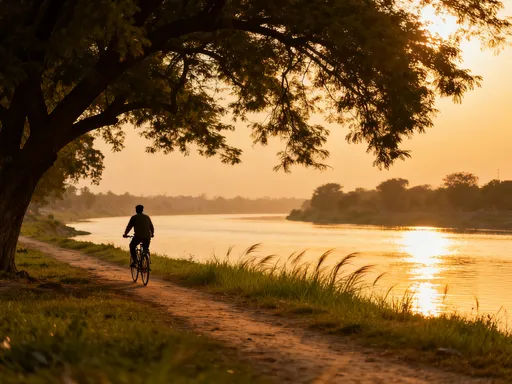
While the medina captures the historic heart of Marrakech, the city’s modern neighborhoods and surrounding green spaces offer equally rewarding leisure experiences. The Palmeraie, a vast palm grove stretching north of the city, is one such haven. Once a retreat for royalty and dignitaries, it is now home to boutique resorts, equestrian centers, and quiet pathways perfect for walking or cycling. The air here is cooler, the pace slower, and the views expansive—endless rows of swaying palms against a backdrop of distant mountains.
Many visitors rent bikes or take guided camel or horseback rides through the groves, enjoying the contrast between the desert landscape and the lush vegetation. Some boutique retreats offer poolside lounging with traditional Moroccan shade tents, where guests can sip fresh pomegranate juice while reading or napping. These spaces cater to those seeking comfort without sacrificing authenticity—modern amenities are present, but the design remains rooted in local aesthetics: zellige tilework, carved cedar wood, and handwoven textiles.
To the east, the newer neighborhoods of Gueliz and Hivernage provide a different kind of escape. Here, tree-lined boulevards, art galleries, and contemporary cafes offer a cosmopolitan yet relaxed atmosphere. Open-air lounges with plush seating and ambient music attract young professionals and families alike, especially in the evenings when the temperature drops. Unlike the medina, these areas are less crowded with tourists, allowing for more spontaneous interactions and a glimpse into the everyday life of modern Moroccans.
What unites these spaces is their emphasis on balance. They do not reject tradition in favor of modernity, but rather blend the two in a way that feels harmonious. A woman enjoying a book under a palm tree, a family sharing sweets at a sidewalk cafe, or a couple strolling at dusk—these are the quiet moments that define a more complete experience of Marrakech. By venturing beyond the old city walls, travelers gain a fuller picture of a destination that is both ancient and evolving.
How to Find Your Own Leisure Rhythm in Marrakech
Discovering Marrakech’s hidden leisure spots requires more than a map—it demands a mindset. The city rewards those who travel with curiosity, patience, and a willingness to pause. Rather than filling every hour with planned activities, consider building in time for rest, reflection, and spontaneous discovery. Start your day with a slow breakfast at a local café, allow for a midday hammam visit, and end with a sunset rooftop tea. These moments are not interruptions to your itinerary; they are the itinerary.
Pay attention to local rhythms. Moroccans often take a long lunch break, and shops in the medina may close between 1 PM and 4 PM. Instead of viewing this as an obstacle, embrace it as an invitation to rest. Use this time to sit in a courtyard, sip tea, or browse a bookshop. These quiet hours are when the city reveals its softer side. Additionally, observe where locals go to relax. If you notice a group of women heading toward a particular garden or a family gathering on a rooftop, it’s likely a place worth exploring.
When choosing venues, prioritize authenticity over convenience. Avoid places that feel overly staged or commercialized. Instead, seek out spots that feel lived-in—where the staff greet regulars by name, where the furniture shows signs of gentle use, where the atmosphere feels unhurried. These are the places where real connection happens. And don’t be afraid to ask for recommendations—many riad hosts, shopkeepers, and guides are happy to share their favorite quiet corners if approached with genuine interest.
Most importantly, allow yourself to slow down. In a world that glorifies busyness, taking time to do nothing can feel radical. But in Marrakech, stillness is not idleness—it is a form of engagement. It is in these quiet moments that the city’s true character emerges: in the pattern of light on a tiled wall, the warmth of a shared smile, the comfort of a well-worn cushion. By embracing leisure as a form of exploration, travelers move beyond sightseeing to something deeper—a felt experience of place, culture, and self.
True immersion in Marrakech comes not from checking off sights, but from finding stillness amid the swirl. The city’s real magic lives in its quiet gardens, rooftop silences, and unhurried tea rituals. By embracing leisure as part of exploration, travelers don’t just see Marrakech—they feel it. Let your journey be as much about resting as it is about roaming.