What No One Tells You About Walking in Cancun’s Wild Terrain
You think Cancun is just beaches and resorts? Think again. Beneath the postcard-perfect surface lies a landscape that can trip you up—literally. From sinkholes hidden under lush foliage to sudden elevation shifts along coastal trails, the Yucatán’s unique limestone terrain isn’t always vacation-ready. I learned this the hard way. This is not just a travel warning—it’s a real talk about what happens when paradise has pitfalls built into its bones. While most travelers come for turquoise waters and all-inclusive luxury, few anticipate the geological realities beneath their feet. Understanding these hidden challenges isn’t about fear; it’s about respect, preparation, and the kind of awareness that transforms a routine vacation into a truly informed journey.
The Allure and the Illusion of Easy Travel in Cancun
Cancun is often portrayed as a seamless tropical escape, where white sand beaches stretch endlessly and crystal-clear waters invite leisurely swims. Brochures and advertisements paint a picture of effortless relaxation, where every path is paved, every trail leads gently to a scenic overlook, and every step feels safe. This carefully curated image, while true in many developed zones, only tells part of the story. The reality is that the Yucatán Peninsula, on which Cancun sits, is built on a foundation of porous limestone, a geological feature that shapes not only the region’s beauty but also its unpredictability. This karst topography—formed over millions of years by the dissolution of soluble rock—is responsible for the area’s breathtaking cenotes, underground rivers, and dramatic cave systems. Yet, it also means the ground beneath your feet is far from uniform or always stable.
Many visitors assume that because Cancun is a major tourist destination, every area is engineered for easy navigation. They expect smooth sidewalks, even pavement, and clearly marked trails. While the Hotel Zone and resort corridors are indeed well-maintained, stepping beyond these areas reveals a different landscape. The illusion of uniform safety begins to fade the moment you venture into less-developed regions, where nature reclaims the terrain. Here, the same limestone that allows for stunning natural formations can crack, shift, or collapse without warning. This doesn’t mean these areas are off-limits, but it does mean that travelers need to adjust their expectations and prepare accordingly. The ground may look solid, but appearances can be deceiving in a region where water has spent millennia carving hidden pathways beneath the surface.
Understanding the geology is the first step toward safer exploration. The Yucatán’s bedrock is primarily made of calcium carbonate, which dissolves easily in slightly acidic rainwater. Over time, this process creates voids underground. When the roof of one of these cavities collapses, it forms a sinkhole—what locals call a cenote. While many cenotes are now developed as tourist attractions with railings, lighting, and lifeguards, countless others remain wild, unmarked, and potentially dangerous. The same forces that created these natural wonders are still at work today. That means the ground you walk on, especially in rural or forested areas, may be thinner than it appears. Recognizing this reality doesn’t diminish the beauty of the region—it enhances your appreciation for its complexity and encourages more mindful travel.
Sinking Into Reality: The Truth About Cenotes and Sinkholes
Cenotes are among the most iconic natural features of the Yucatán Peninsula, drawing thousands of visitors each year with their emerald waters and mystical ambiance. These natural sinkholes, formed by the collapse of limestone bedrock, expose underground rivers and caverns that have served as vital water sources for millennia. For the ancient Maya, cenotes were sacred portals to the underworld, places of ritual and reverence. Today, they are celebrated as ecological treasures and swimming paradises. However, their beauty masks a deeper truth: every cenote is a visible reminder of an unstable subsurface. The very processes that created them are ongoing, and the land around them remains vulnerable to further collapse.
While developed cenotes like Ik Kil or Dos Ojos are safe for visitors, thanks to managed access and safety protocols, many others are not. Remote or lesser-known cenotes—often found off the beaten path—may lack railings, lighting, or even clear signage. Some are partially hidden by vegetation, their openings concealed until you’re nearly on top of them. This makes off-trail exploration particularly risky. There have been documented cases of travelers wandering too close to the edge of an undeveloped cenote and falling in, sometimes with serious consequences. In 2019, a tourist in the Tulum area sustained injuries after stepping onto what appeared to be solid ground near a forested sinkhole, only for the surface to give way beneath their weight. These incidents are rare but entirely preventable with proper awareness.
The danger isn’t limited to falling into a cenote. The ground surrounding these formations can be fragile, with thin layers of soil covering weakened limestone. Even a few feet away from the visible edge, the earth may not support full body weight. This is especially true after heavy rains, when water saturation further weakens the structure. Travelers who ignore posted warnings or venture beyond designated paths put themselves at unnecessary risk. Local guides often emphasize the importance of staying on marked trails and respecting barriers, not because they want to limit access, but because they understand the land’s fragility. These precautions are not exaggerations—they are based on real geological knowledge and past incidents.
To enjoy cenotes safely, it’s best to visit official sites with proper infrastructure or to join guided tours led by experienced professionals. These guides know which areas are stable and which to avoid. They also carry safety equipment and can respond quickly in emergencies. Additionally, learning to recognize the signs of a potential sinkhole—such as sagging ground, unusual depressions, or clusters of dead vegetation—can help you avoid danger. By treating cenotes not just as photo opportunities but as dynamic geological features, travelers gain a deeper understanding of the landscape and move through it with greater respect and caution.
Coastal Trails That Test Your Balance
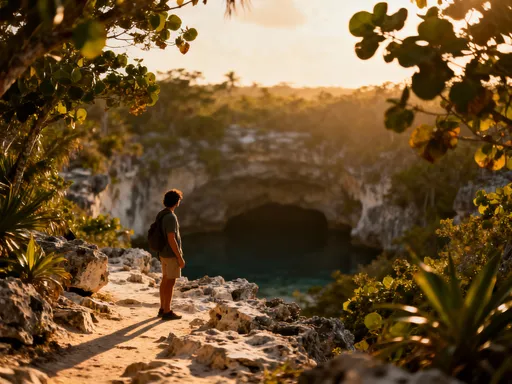
While Cancun’s beaches are renowned for their soft sand and gentle slopes, not all coastal areas offer such forgiving terrain. Along the less-developed stretches of the coastline, particularly south of the Hotel Zone and near lagoon inlets, the ground transforms into jagged limestone ridges. These natural formations, shaped by centuries of wave action and erosion, create a rugged, uneven surface that can be challenging to navigate. Unlike the manicured boardwalks of the main tourist areas, these zones remain largely untouched, offering solitude and scenic beauty—but also significant physical hazards.
One of the most common injuries reported by hikers in these areas is ankle sprains caused by stepping on unstable or sharp rock. The limestone here is not smooth; it’s fractured, porous, and often covered with a thin layer of moss or algae, making it slippery when wet. Many visitors, accustomed to walking barefoot or in flimsy sandals on resort beaches, are unprepared for the terrain. A seemingly calm shoreline hike can quickly turn painful when a foot lands on a loose slab or slips into a crevice. In one documented incident, a traveler attempting a short coastal walk near Punta Nizuc twisted her ankle after stepping into a hidden crack, requiring assistance to return to solid ground. While she recovered fully, the experience underscored the importance of proper footwear and trail awareness.
Walking barefoot on these surfaces is strongly discouraged. The sharp edges of the limestone can cause cuts, abrasions, or even puncture wounds, which are particularly dangerous in a tropical environment where infections can develop quickly. Even water shoes, while suitable for swimming, often lack the ankle support and grip needed for rocky terrain. The best choice for exploring these areas is closed-toe hiking sandals or trail shoes with rugged soles and good traction. Brands like Keen, Merrell, and Teva offer models specifically designed for wet, rocky environments, providing protection without sacrificing breathability in the heat.
Equally important is paying attention to your surroundings. Coastal trails in these zones are rarely marked with signs or barriers, so it’s easy to stray into hazardous areas. Staying alert, watching each step, and avoiding shortcuts over unstable ground can prevent accidents. Travelers should also consider hiking with a partner, especially in remote areas where help may not be immediately available. By approaching these trails with caution and preparation, you can safely enjoy the raw beauty of Cancun’s wilder coastline while minimizing the risk of injury.
Hidden Cracks and Uneven Ground in Popular Areas
Even within Cancun’s most visited districts, the effects of the region’s unstable geology are visible. In the Hotel Zone and surrounding neighborhoods, cracks in sidewalks, uneven pavement, and sunken sections of parking lots are not uncommon. These are not signs of poor maintenance alone—they are symptoms of subsidence, a gradual sinking of the ground caused by the shifting limestone below. As water continues to dissolve the bedrock, small voids form underground, eventually leading to surface collapse. While major structural failures are rare in urban areas due to engineering interventions, minor shifts occur regularly, especially after periods of heavy rainfall.
These ground movements pose real risks, particularly for those using wheeled transportation. Rental scooters and bicycles, popular among tourists for getting around, can become unstable on cracked or uneven surfaces. A sudden dip or raised edge can cause a rider to lose control, leading to falls and injuries. In 2022, local clinics reported an increase in minor accidents involving tourists on rental scooters, many of which were linked to road irregularities rather than reckless driving. Sidewalks with lifted sections or gaps between slabs also present tripping hazards, especially at night when lighting is poor. Parents with strollers and travelers with mobility issues may find navigation particularly challenging in affected areas.
Rainfall plays a significant role in accelerating these issues. The Yucatán has no above-ground rivers; instead, rainwater drains through the porous limestone into underground aquifers. During and after heavy storms, this process intensifies, increasing pressure on already weakened structures. The result can be new cracks appearing overnight or existing ones widening significantly. Local authorities often conduct inspections after major weather events, temporarily closing unsafe paths or roads until repairs are made. Travelers are advised to stay informed about local conditions, especially during the rainy season from June to October.
While these issues are managed as quickly as possible, they serve as a reminder that even in well-developed areas, the natural forces beneath Cancun are always at work. Being aware of your footing, watching for changes in pavement, and adjusting your pace in questionable areas can prevent accidents. It’s also wise to choose accommodations and activities with accessibility in mind, particularly if traveling with children or older family members. By recognizing that the landscape is dynamic, not static, visitors can move through the city with greater safety and confidence.
Why Infrastructure Can’t Always Keep Up
Building and maintaining infrastructure in Cancun is a constant challenge due to the region’s unique geology. Engineers must design roads, buildings, and drainage systems on a foundation that is inherently unstable. The karst topography of the Yucatán Peninsula means that traditional construction methods often need to be adapted. For example, deep pilings are frequently required to anchor structures into more stable layers beneath the limestone. Even then, the shifting ground can cause stress on foundations, leading to cracks, misalignments, and structural fatigue over time. This is why some older buildings in the area show signs of settling, with doors that no longer close properly or floors that slope slightly.
One of the most significant challenges is drainage. Unlike most regions, the Yucatán lacks rivers and lakes on the surface. Rainwater doesn’t flow into streams—it percolates directly into the ground through sinkholes and fissures. This means that conventional stormwater systems are less effective, and flooding can occur even after moderate rainfall if the underground drainage is overwhelmed. In low-lying areas, water may pool on roads or in parking lots, hiding cracks or potholes beneath its surface. This not only creates slip hazards but can also accelerate erosion, further weakening the ground. Municipal efforts to improve drainage often involve creating artificial sinkholes or retention basins, but these solutions must be carefully engineered to avoid triggering new collapses.
As a result, road closures and temporary repairs are not uncommon, especially after heavy rains. Travelers may find that a route they used one day is blocked the next due to subsidence or flooding. While these disruptions can be inconvenient, they reflect the ongoing effort to balance development with geological reality. Local authorities work closely with geologists and civil engineers to monitor high-risk zones and prioritize repairs. Still, the pace of natural change sometimes outstrips the ability to respond immediately.
For visitors, this means staying flexible and informed. Checking local news or asking hotel staff about road conditions can help avoid delays. It also means understanding that some inconveniences are not due to neglect, but to the very nature of the land. By recognizing the challenges faced by local communities and infrastructure teams, travelers can develop a deeper appreciation for the resilience required to live and build in this environment. This awareness fosters patience and respect, enriching the travel experience beyond mere sightseeing.
Smart Traveler Strategies for Navigating Difficult Terrain
Traveling safely in Cancun’s varied landscape requires more than just a good map—it demands thoughtful preparation and smart decision-making. The first and most important step is choosing the right footwear. While flip-flops and sandals may be comfortable on the beach, they offer little protection or support on rocky or uneven ground. Closed-toe shoes with grippy soles are essential for any excursion beyond the resort. Hiking sandals with ankle straps or lightweight trail runners provide the best combination of comfort, breathability, and safety. Packing a dedicated pair for exploring ensures you’re ready for whatever the terrain throws your way.
Another key strategy is to rely on guided tours when venturing into natural areas. Local guides are not only knowledgeable about safe routes but also trained to recognize potential hazards. They know which cenotes are stable for swimming, which trails are passable after rain, and where to avoid altogether. Joining a reputable eco-tour not only enhances safety but also supports sustainable tourism practices. Many of these operators work closely with conservation groups to protect sensitive areas while providing educational experiences. Their expertise turns a simple hike into a meaningful learning opportunity.
Weather awareness is equally crucial. Rain can transform the landscape in hours, turning dry trails into slippery slopes and increasing the risk of subsidence. Checking the forecast before heading out, especially during the rainy season, can help you avoid dangerous conditions. If heavy rain is predicted, it’s wise to postpone outdoor activities or choose indoor alternatives. After a storm, allow time for the ground to stabilize before exploring less-developed areas.
Finally, respecting barriers and warning signs is non-negotiable. These are not arbitrary restrictions—they are based on geological assessments and past incidents. Whether it’s a rope marking a fragile edge or a sign advising against swimming in a particular cenote, these guidelines exist for a reason. Travelers who ignore them not only risk their own safety but may also contribute to environmental damage. By following local rules and listening to expert advice, you demonstrate respect for both the land and the community that stewards it.
Respecting Nature’s Blueprint: How Awareness Enhances the Experience
Traveling in Cancun becomes profoundly more rewarding when approached with awareness rather than avoidance. Instead of seeing the region’s geological quirks as obstacles, consider them part of its living identity. The same forces that create sinkholes also give rise to breathtaking underground rivers and lush jungle ecosystems. The jagged coastline that challenges your balance also shelters unique marine life and offers unparalleled views. When you understand the 'why' behind the terrain, your relationship with the place deepens. You’re no longer just a visitor passing through—you become an observer, a learner, a respectful guest in a dynamic natural system.
This shift in mindset transforms the travel experience. Rather than rushing from one photo spot to the next, you begin to notice subtle details: the way light filters through a cenote’s opening, the sound of water echoing in a cave, the resilience of plants growing in limestone crevices. These moments of connection are made richer by knowledge. You appreciate the beauty not in spite of the risks, but because of the complex processes that make it possible. This kind of mindful travel fosters a sense of stewardship, encouraging choices that protect the environment for future generations.
Supporting eco-conscious operators is one way to put this awareness into action. Companies that prioritize safety, environmental education, and conservation help ensure that tourism remains sustainable. They often limit group sizes, use biodegradable products, and contribute to local preservation efforts. By choosing these services, travelers support a model of tourism that values long-term health over short-term convenience. It’s a small decision that has a lasting impact.
In the end, Cancun’s special terrain isn’t a flaw—it’s part of its wild identity. By recognizing the natural forces beneath your feet, you don’t just avoid pitfalls; you gain a deeper connection to the place. Traveling here becomes more than a getaway—it becomes an informed adventure, where respect for the land leads to richer, safer, and more meaningful experiences. The next time you plan a trip to this vibrant destination, remember: paradise isn’t always perfectly paved. Sometimes, its greatest lessons are written in the stones beneath your feet.