You Won’t Believe These Instagram-Worthy Bites in Bucharest
Bucharest isn’t just about grand architecture and buzzing streets—it’s a feast for the eyes and the stomach. I went looking for Insta-perfect moments and stumbled upon something even better: local flavors that pop as hard on camera as they do on your taste buds. From golden sarmale to rainbow-colored cozonac, every dish tells a story. This is real Romanian food, served with pride, plated with care, and absolutely made for sharing—both on the table and online.
First Impressions: Bucharest’s Unexpected Food Aesthetic
Bucharest surprises at every turn, not only with its mix of neoclassical grandeur and communist-era pragmatism but also with the way food is woven into its urban fabric. Unlike cities where dining feels polished or overly curated, Bucharest offers a raw, inviting authenticity. The city’s streets are alive with contrasts—wide, tree-lined boulevards like Calea Victoriei give way to narrow alleys hidden behind ivy-covered gates, where tiny cafés and family-run kitchens hum with warmth and the scent of simmering stews. These tucked-away spots, often nestled in traditional curți (courtyards), provide a visual rhythm that feels both intimate and cinematic.
What makes Bucharest particularly photogenic for food lovers is how seamlessly the culinary experience blends with the city’s layered identity. A plate of steaming mămăligă served in a centuries-old cellar restaurant contrasts beautifully with the Art Deco tiles of a retro coffee bar in the city center. The textures are rich: cracked plaster walls, aged wooden beams, and vintage tableware all frame the food in a way that feels unforced. Even street-side vendors display their wares with a kind of instinctive artistry—pyramids of red peppers, jars of golden honey, and braids of garlic hung like ornaments. There’s no need for filters when reality is this vivid.
The city’s lighting, especially in the late afternoon, enhances this visual appeal. Sunlight filters through linden trees and casts soft shadows across outdoor terraces, creating natural vignettes perfect for photography. At dusk, warm glows from café windows and lantern-lit courtyards invite both diners and photographers to linger. Bucharest doesn’t try to be picture-perfect—it simply is, especially when it comes to food. The authenticity of its settings, combined with the richness of its cuisine, creates a backdrop where every meal feels like a scene from a film.
The Heart of Romanian Cuisine: Tradition on a Plate
Romanian food is not about flash or fusion; it’s about continuity, comfort, and care. At its core, the cuisine celebrates slow preparation, seasonal ingredients, and the deep satisfaction of shared meals. Dishes are built on time-honored methods passed down through generations—grandmothers still roll sarmale by hand, knead cozonac dough on Sundays, and stir pots of ciorbă for hours to achieve the perfect balance of sour and savory. These traditions aren’t preserved for nostalgia alone—they’re alive, evolving slightly with each family, yet rooted in a shared culinary language.
One of the most emblematic dishes, sarmale, consists of cabbage or vine leaves stuffed with a mixture of minced pork, rice, and herbs, then slow-cooked in a tomato-based sauce. The result is a dish that’s both hearty and elegant, with layers of flavor and texture that photograph beautifully—the glistening sauce, the delicate leaf wrap, the steam rising when the lid is lifted. Similarly, mămăligă, a polenta-like cornmeal staple, is often served golden and firm, sliced like a cake and paired with creamy brânză cheese or sour cream. Its warm hue and smooth surface make it a visual anchor on any plate.
Then there’s ciorbă de burtă, a traditional sour tripe soup known for its complex flavor and velvety consistency. While not everyone’s first choice, its appearance—creamy white with flecks of garlic and parsley, often garnished with a swirl of sour cream—is unexpectedly photogenic. The dish tells a story of resourcefulness and flavor depth, reminding visitors that Romanian cuisine values every part of the animal and turns humble ingredients into something special. Even the sourness, achieved naturally through fermented bran or lemon juice, adds a brightness that cuts through the richness and lifts the entire sensory experience.
Sweet endings are equally memorable. Papanasi, perhaps the most iconic Romanian dessert, is a fried or boiled doughnut made from cottage cheese, served with sour cream and a vibrant berry compote. Its round shape, golden crust, and jewel-toned topping make it a favorite among food photographers. The contrast of textures—crispy outside, soft inside, cool cream, and tart fruit—mirrors the contrast found in Bucharest itself: old and new, simple and indulgent, rustic and refined.
Where Locals Eat: Authentic Spots with Serious Style
To truly experience Bucharest’s food culture, one must follow the locals—not just to the most famous landmarks, but to the neighborhood haunts where tradition is honored without pretense. These are places where the menu hasn’t changed in decades, where the waiters know regulars by name, and where every dish arrives with a quiet sense of pride. One such institution is Caru’ cu Bere, a historic restaurant in the Old Town that dates back to the late 19th century. With its stained-glass windows, carved wood interiors, and brass chandeliers, it feels like stepping into a bygone era. But beyond the ambiance, the food holds its own—platters of roasted duck, bubbling pots of ciorbă, and baskets of fresh, crusty bread are presented with a theatrical flair that’s inherently shareable.
Yet some of the most Instagram-worthy meals come from more modest settings. La Mama, a family-style restaurant with several locations across the city, offers a homier aesthetic. Here, dishes are served in earthenware pots or on hand-painted ceramic plates, and the tables are often covered with checked cloths that evoke a village kitchen. The presentation is unfussy but full of character—the kind of place where a bowl of lentil soup comes topped with a pat of melting butter and a sprig of dill, creating a moment of quiet beauty. Natural light streams through large windows, illuminating the steam rising from a freshly delivered plate of mititei, making even a simple meal feel worthy of capture.
Another beloved spot is Pod Antic, a cozy, candlelit restaurant tucked beneath an old arch in the Lipscani district. The low ceilings and stone walls create a warm, intimate atmosphere, while the open kitchen allows diners to watch chefs prepare dishes like jumări (grilled pork ribs) and plăcinte (savory pies). The plating here emphasizes color and contrast—deep red sauces, bright green herbs, golden crusts—all arranged with care but without artifice. These restaurants prove that authenticity and aesthetics aren’t mutually exclusive; in fact, in Bucharest, they often go hand in hand.
Markets & Street Food: Color, Chaos, and Cravings
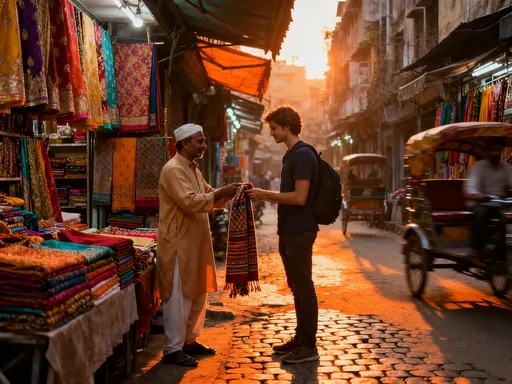
No visit to Bucharest is complete without a walk through one of its vibrant markets, where food is not just sold but celebrated. Obor Market, one of the city’s largest and oldest, is a sensory overload in the best possible way. Rows of stalls overflow with seasonal produce—plump tomatoes, purple eggplants, bushels of dill, and mountains of bright yellow cornmeal. Jars of pickled vegetables in rainbow hues—red peppers, green cucumbers, amber onions—line the counters like edible stained glass. Cheese vendors display rounds of telemea and urdă, their textures ranging from crumbly to creamy, all arranged on wooden boards that look like still-life paintings.
These markets are not just for shopping—they’re places to eat on the go. Street food here is deeply rooted in tradition and designed for flavor and convenience. Mititei, small grilled sausages made from a mix of beef, lamb, and pork, seasoned with garlic and paprika, are a national favorite. Served in a piece of fresh bread or with a side of mustard, they’re smoky, juicy, and deeply satisfying. The charred edges and glistening surface make them a favorite subject for food photography, especially when captured mid-bite or piled high on a paper plate.
Another street staple is covrigi, Romania’s answer to the pretzel. Freshly baked and dusted with sesame, poppy seeds, or salt, these chewy rings are sold from small kiosks on nearly every corner. Watching a vendor pull a batch from the oven—golden brown and steaming—is a small but powerful moment of culinary theater. The contrast between the dark exterior and soft interior, the way the seeds catch the light, makes covrigi an unexpectedly photogenic snack. Paired with a paper cup of strong Romanian coffee, it’s the perfect fuel for a day of exploring.
Weekend markets like the one at Piața Amzei offer a more curated experience, attracting young families, artists, and food enthusiasts. Here, you’ll find organic produce, handmade jams, and small-batch honey, all displayed with care. Artisanal vendors sell modern takes on traditional foods—think sourdough cozonac with orange zest or vegan plăcinte filled with roasted vegetables. These markets blend old and new, offering both authenticity and innovation, making them ideal for travelers who want to taste Romania while supporting local producers.
Café Culture: Bucharest’s Artistic Coffee Scene
In recent years, Bucharest has developed a thriving specialty coffee culture, particularly in neighborhoods like Lipscani, Vila, and Dorobanți. These areas, once overlooked, are now home to sleek, design-forward cafés where baristas pour latte art with precision and pastries are styled like edible art. Yet even in these modern spaces, Romanian flavors remain central. A cappuccino might be served alongside a slice of cozonac swirled with walnut and cocoa, or a delicate plăcintă filled with apple and cinnamon. The fusion of contemporary café aesthetics with traditional ingredients creates a unique visual and culinary experience.
One standout is Scratch Coffee & Bakery, known for its minimalist interior, house-roasted beans, and seasonal pastries. Their cozonac, baked in slender loaves and sliced to reveal intricate swirls, is often photographed before it’s even touched. The use of natural ingredients—real butter, farm eggs, and local fruit—ensures both quality and visual appeal. Similarly, Four’A Café in Vila combines Scandinavian design with Romanian hospitality, offering a quiet space where guests can enjoy a perfectly brewed pour-over and a plate of fresh fruit tarts. The lighting is soft, the tables are uncluttered, and every detail—from the ceramic cups to the linen napkins—invites mindfulness and, naturally, photography.
These cafés aren’t just about coffee—they’re cultural spaces where people gather to work, talk, and unwind. Many host small art exhibitions, book launches, or live music, turning a simple coffee break into a full sensory experience. The desserts, often served on handmade pottery or slate boards, are styled to highlight their textures and colors. A berry papanasi might be plated with a drizzle of chocolate and a dusting of powdered sugar, creating a composition that’s as pleasing to the eye as it is to the palate. In these spaces, tradition doesn’t feel outdated—it feels reimagined, relevant, and ready for the digital age.
Food Photography Tips: Capturing Bucharest’s Flavors Like a Pro
For travelers eager to document their culinary adventures, Bucharest offers endless opportunities—but capturing the essence of a meal goes beyond pointing and shooting. The key is to tell a story through the image. Start with lighting: natural light is your best ally. Visit cafés and restaurants with large windows during mid-morning or late afternoon, when the sun is low and soft. Avoid harsh overhead lights or flash, which can wash out colors and create unflattering shadows. If shooting indoors, position your plate near a window or ask to be seated in a well-lit area.
Angles matter. While the classic overhead shot works well for flat lays—especially at markets or breakfast tables—don’t overlook the power of a 45-degree angle. It adds depth, shows the height of a dish like a stacked sarmale platter, and captures steam rising from hot soup. For drinks, try a side profile to highlight layers in a cappuccino or the condensation on a glass of țuică. Close-ups can be especially effective: a spoon breaking through the crust of a papanasi, fingers tearing a piece of fresh bread, or a drizzle of honey slowly cascading over a wheel of cheese.
Respect is crucial, especially in small, family-run places. Always ask before photographing staff or other diners. A simple smile and a quick gesture—holding up your phone with a questioning look—goes a long way. In many cases, owners are proud of their food and happy to pose a dish for a better shot. And remember, the most powerful images often include human elements: hands placing a plate on the table, a grandmother serving soup to her grandchildren, or friends clinking glasses in a toast. These moments, fleeting and real, are what make food photography meaningful.
Finally, edit with care. Bucharest’s colors are naturally rich—deep reds, golden yellows, earthy browns—so avoid over-saturating. A light touch enhances without distorting. Use editing tools to balance exposure and bring out textures, but let the authenticity of the scene shine through. The goal isn’t perfection—it’s connection.
Beyond the Plate: How Food Connects You to the City
In the end, the most unforgettable moments in Bucharest aren’t just about what’s on the plate—they’re about who shares it with you. A meal here is rarely a solitary act. It’s a gathering, a conversation, an invitation. You might strike up a chat with a server who explains how his mother makes sarmale, or receive an unsolicited taste of homemade plum brandy from a table nearby. These small acts of generosity are woven into the culture, turning dining into a bridge between strangers.
The photographs we take are more than souvenirs—they’re memories in waiting. A picture of a steaming bowl of ciorbă isn’t just about the soup; it’s about the cold day it warmed you, the laughter around the table, the way the host insisted you try a second helping. A snapshot of a market stall isn’t just about the peppers; it’s about the vendor who smiled as she handed you a sample, the child watching from behind the counter, the rhythm of daily life unfolding in full color.
Bucharest’s cuisine invites you to slow down, to savor not just the flavors but the moments. It asks you to put down your phone sometimes, to taste before you shoot, to listen to the stories behind the food. And when you do pick up your camera again, you’ll find that the best shots come not from perfection, but from presence. Because in a city where every meal is made with heart, the most beautiful image is the one you carry home in your memory.