You Won’t Believe These Hidden Natural Escapes in Lahore
When you think of Lahore, bustling bazaars and Mughal forts probably come to mind—but what if I told you the city hides breathtaking natural landscapes just off the beaten path? I was stunned to discover serene riverside trails, lush orchards, and quiet green retreats tucked between urban chaos. This isn’t the Lahore most tourists see, but it’s the one nature lovers secretly crave. Let me take you through the side of the city that few talk about—but everyone should experience.
Reimagining Lahore: Beyond Monuments and Markets
Lahore is often celebrated for its grand Mughal architecture, aromatic food streets, and centuries-old cultural heritage. The Badshahi Mosque, Lahore Fort, and Wazir Khan Mosque draw millions each year, and rightfully so. These landmarks are treasures of history and artistry. Yet, in the shadow of these iconic sites lies a quieter, more understated beauty—one that doesn’t appear on most city maps or tourist brochures. This is Lahore’s natural soul, a side of the city that remains largely unseen by visitors and even many residents.
Beneath the city’s energetic pulse, where traffic hums and markets buzz, there are pockets of stillness. These are not grand parks or internationally recognized reserves, but intimate spaces where trees whisper in the breeze, birds call from hidden branches, and sunlight filters through leaves in golden patterns. They exist in the margins—in riverbeds, along canals, on the edges of farmland—places where nature has found a way to thrive despite urban expansion.
What makes these natural escapes so compelling is their contrast to the city’s dominant image. They offer balance. While the historic core of Lahore pulses with color and sound, these green zones provide silence, space, and a sense of renewal. They remind us that cities are not just concrete and steel—they can also be ecosystems, sanctuaries, and breathing spaces. For families, retirees, and anyone seeking a pause from daily demands, these hidden landscapes are not just pleasant diversions—they are essential.
Exploring them requires a shift in perspective. Instead of following the well-trodden tourist routes, one must look sideways, venture slightly off the main roads, and listen for the rustle of leaves instead of the honk of horns. It’s in this spirit of quiet discovery that Lahore’s true natural charm reveals itself—not as a destination, but as a series of gentle invitations to slow down and reconnect.
Ravi Riverside: A Quiet Escape on the City’s Edge
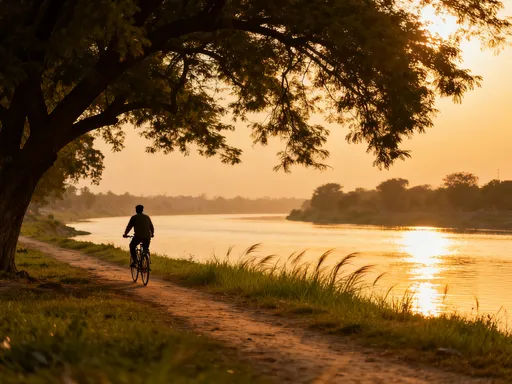
Along the western edge of Lahore, where the city’s sprawl begins to fade into open land, the Ravi River traces a quiet boundary. Though the river’s flow has diminished over the years due to seasonal and environmental factors, the riverside area remains a surprisingly peaceful retreat. Away from the noise of main roads and commercial districts, this stretch offers wide open spaces, soft earth paths, and panoramic views of the horizon—especially stunning at sunrise and sunset.
Locals have long used this area for early morning walks, quiet reflection, and informal exercise routines. It’s common to see individuals practicing yoga on the banks, families flying kites on weekends, or photographers capturing the soft hues of dawn. Birdwatchers also visit during cooler months, spotting species such as kingfishers, wagtails, and various migratory birds that find temporary refuge in the reeds and shallow waters.
Accessibility varies across different entry points. Some areas are reached via dirt roads off Ferozepur Road or near the old Ravi Bridge, while others are accessed through informal pathways from nearby neighborhoods. There are no formal park facilities, signage, or ticketed entries—this is not a curated tourist destination but a natural space shaped by organic use. As such, visitors should come prepared with water, wear comfortable shoes, and carry out any waste.
Despite its underdeveloped state, the Ravi Riverside holds great potential. Urban planners and environmental advocates have discussed restoration projects aimed at improving access, planting native vegetation, and enhancing ecological value. For now, it remains a raw, unpolished escape—ideal for those who appreciate nature in its simplest form. Its quiet beauty lies not in manicured lawns or paved trails, but in the sense of solitude it offers amidst a bustling metropolis.
Jallo Park: Lahore’s Green Lung and Hidden Sanctuary
Nestled on the eastern outskirts of Lahore, near the Lahore Bypass, Jallo Park stands as one of the city’s most significant green spaces. Spanning hundreds of acres, this natural reserve is a sanctuary of trees, open fields, and walking trails. Unlike formal urban parks, Jallo Park retains a semi-wild character, with native flora and natural topography preserved across much of its expanse. It serves as a vital green lung, filtering air and offering relief from the city’s rising temperatures.
Families, fitness walkers, and nature enthusiasts frequent the park, especially on weekends and holidays. Designated picnic zones allow for group gatherings under shaded trees, while marked footpaths guide visitors through wooded areas and grassy meadows. The park is especially popular during cooler months, when the weather supports outdoor activity and the foliage is at its most vibrant.
One of Jallo Park’s quiet strengths is its role in supporting local biodiversity. The mix of dense tree cover, open land, and seasonal water sources creates habitats for small mammals, reptiles, and numerous bird species. Early risers may spot partridges scurrying through underbrush or hear the calls of doves and bulbuls echoing through the trees. The park also hosts seasonal plant life, with wildflowers blooming in spring and lush greenery returning after monsoon rains.
While the park has seen improvements in infrastructure—such as better entry points and some lighting—its charm lies in its relative simplicity. There are no amusement rides, food courts, or commercial attractions. Instead, visitors come for peace, fresh air, and a sense of immersion in nature. For many, it is a place of emotional refuge—a space to walk, think, or simply sit and breathe deeply. Jallo Park is not just a recreational area; it is a living, breathing part of Lahore’s environmental and emotional well-being.
Canal Parks: Unexpected Nature Along Urban Waterways
Running through various parts of Lahore, the city’s canal network has long served agricultural and irrigation purposes. But in recent years, stretches of these waterways have been transformed into scenic green corridors. Known locally as canal parks, these linear spaces combine functional infrastructure with thoughtful landscaping, offering shaded walkways, flowering shrubs, and peaceful views of flowing water.
One of the most popular sections is along Canal Bank Road, where a wide pedestrian path runs parallel to the water. This area is especially inviting in the early morning and late afternoon, when temperatures are mild and the breeze carries the coolness of the canal. The pathway is lined with neem, eucalyptus, and rain trees, providing consistent shade, while seasonal flowers add bursts of color along the edges.
These canal parks serve multiple purposes. For joggers and cyclists, they offer safe, traffic-free routes. For families, they provide accessible spots for evening strolls. And for city planners, they represent a model of integrating nature into urban design without requiring large tracts of land. The success of these spaces has inspired similar developments in other neighborhoods, where underutilized canal edges are being revitalized with greenery and walkways.
Visitors will notice that these parks are well-maintained and often include basic amenities such as benches, drinking water stations, and waste bins. Security personnel patrol some sections, contributing to a sense of safety, particularly for women and elderly visitors. The blend of natural elements and urban planning makes these spaces uniquely suited to Lahore’s climate and lifestyle—offering daily access to nature without the need for long travel.
The Secret of Private Orchards and Farmhouses on Outskirts
Just beyond Lahore’s northern and southern peripheries, the landscape shifts from urban to rural. Here, fields of wheat, sugarcane, and vegetable crops give way to clusters of private orchards and farmhouse communities. These areas, often family-owned for generations, are increasingly opening their doors to city dwellers seeking a taste of country life. While not formal resorts, many offer day visits where guests can walk through fruit groves, enjoy homemade refreshments, and experience the calm of open land.
Mango orchards are especially cherished, particularly from May to August when the trees are heavy with fruit. Visitors can walk among the rows, learn about harvesting practices, and even participate in fruit-picking activities where permitted. Other orchards grow guava, citrus, and pomegranate, each with its own seasonal rhythm. The air in these places carries the scent of earth, ripening fruit, and blooming jasmine—sensations that stand in stark contrast to the city’s usual atmosphere.
Access to these spaces is typically by prior arrangement. Some families welcome guests through word-of-mouth networks, while others advertise through community groups or local eco-tourism initiatives. A growing number of organized farm day trips now include guided tours, nature walks, and cultural experiences such as traditional cooking demonstrations. These visits are not about luxury, but about authenticity—about stepping into a slower, simpler way of life.
For families, these outings offer children a rare chance to see where food comes from and to run freely in open spaces. For adults, they provide a mental reset—a break from screens, schedules, and stress. These orchards and farmhouses are not hidden because they are secret, but because they exist outside the usual tourist narrative. Yet, for those who seek them, they offer some of the most genuine and refreshing experiences Lahore has to offer.
Seasonal Shifts: When Lahore’s Nature Truly Comes Alive
Lahore’s natural landscapes are not static—they change dramatically with the seasons, each period bringing its own character and beauty. Understanding these shifts is key to making the most of the city’s hidden escapes. The experience of visiting Jallo Park in June is vastly different from visiting in December, just as the Ravi Riverside in monsoon season offers a different atmosphere than in the dry months.
Winter, from November to February, is often considered the ideal time for outdoor exploration. The air is crisp, temperatures are mild, and the sky is frequently clear. This is when canal parks are most crowded, with families taking evening walks and fitness groups holding outdoor sessions. Bird activity also increases, as migratory species arrive from colder regions, making it a prime time for birdwatching along the Ravi and in wooded areas.
Spring, from March to April, brings a burst of color. Trees bloom, wildflowers emerge, and the city’s green spaces become lush and fragrant. This is the season of renewal, when orchards are in blossom and the air is filled with the scent of flowers. It’s also a popular time for family picnics and outdoor photography, as natural light is soft and golden during early mornings and late afternoons.
The monsoon season, typically July to September, transforms the landscape in unexpected ways. After rainfall, previously dry riverbeds and fields become green and vibrant. The Ravi Riverside, often dusty and barren, may briefly host small pools and new plant growth. However, visitors should exercise caution during heavy rains, as some paths may become slippery or inaccessible. Still, the post-rain freshness—the clean air, the earthy smell, the sound of dripping leaves—makes this season uniquely refreshing for those who don’t mind a little mud.
Summer, from May to June, is the most challenging season for outdoor activity due to high temperatures. Yet, early morning visits to shaded areas like canal parks or orchards can still be enjoyable. The key is timing—starting before sunrise or waiting until after sunset. Even in summer, nature finds ways to thrive, with hardy trees providing shelter and certain birds remaining active in the cooler parts of the day.
Practical Tips for Exploring Lahore’s Hidden Natural Spots
Exploring Lahore’s lesser-known natural spaces requires some planning, especially since many are not formal tourist destinations. Transportation is the first consideration. While Jallo Park and canal parks are accessible by car and ride-sharing services, reaching the Ravi Riverside or private orchards may require private vehicles or organized group transport. Public transit options are limited, so coordination with family or friends is often the best approach.
Timing matters. Early mornings and late afternoons are ideal, not only for comfort but also for experiencing the natural rhythms of these places. Sunrise at the Ravi Riverside, for example, is a peaceful and visually stunning time to visit. Similarly, late afternoon walks along the canal are more pleasant than midday outings, when the sun is at its peak.
Visitors should dress appropriately—light, breathable clothing in summer, warmer layers in winter. Comfortable walking shoes are essential, especially on uneven terrain. Carrying water, sunscreen, and a hat is recommended, as shade may be limited in some areas. For families, packing simple snacks, first-aid supplies, and trash bags ensures a safe and responsible outing.
Respect for local communities and the environment is crucial. Many of these spaces are used by residents for daily routines, and some orchards are private property. Always seek permission before entering private land, avoid loud behavior, and refrain from picking plants or disturbing wildlife. Practicing the “leave no trace” principle—carrying out all waste and minimizing impact—helps preserve these areas for future visitors.
Safety is also important. While these natural spots are generally peaceful, it’s wise to visit in groups, especially in less developed areas. Inform someone of your plans, carry a fully charged phone, and avoid isolated areas after dark. Women and elderly visitors may feel more comfortable in well-traveled zones like canal parks or Jallo Park during daylight hours.
Finally, consider the purpose of your visit. These spaces are not for thrill-seeking or high-energy recreation, but for quiet connection—with nature, with family, with oneself. Approaching them with intention and mindfulness enhances the experience. Whether it’s a morning walk, a family picnic, or a moment of stillness by the water, each visit becomes a small act of restoration.
Conclusion
Lahore’s natural side may not be on every postcard, but it’s undeniably real—and deeply rewarding for those who seek it. These hidden landscapes offer more than beauty; they provide balance, peace, and a deeper connection to place. From the quiet banks of the Ravi to the shaded paths of canal parks, from the open fields of Jallo to the fruit-laden orchards on the city’s edge, Lahore reveals a quieter rhythm beneath its vibrant surface.
By exploring these spaces responsibly, we do more than enjoy a day out—we become stewards of a fragile urban ecology. We help protect the city’s green lungs, support sustainable tourism, and preserve spaces where future generations can find calm and inspiration. In a world that moves faster every day, Lahore’s hidden natural escapes remind us that stillness is not lost—it is simply waiting to be discovered.
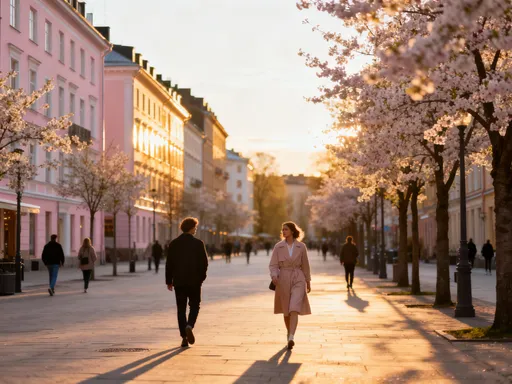
So the next time you think of Lahore, let your imagination wander beyond the forts and bazaars. Picture a sunrise over the river, a child laughing in an orchard, a couple walking under flowering trees. This is Lahore, too. And it’s calling you to step off the beaten path and into the quiet, green heart of the city.