Wheels, Wanderlust, and the Soul of Paris
You know that feeling when the open road meets timeless charm? Driving into Paris isn’t just about arriving—it’s about experiencing the city’s heartbeat at your own pace. From hidden cafés in Montmartre to quiet morning views by the Seine, self-driving unveils an authentic side of French culture most tourists miss. The ability to linger in a sun-dappled village square or pause at a roadside market for fresh goat cheese and warm bread transforms travel from sightseeing into living. This is more than a trip; it’s a journey through art, flavor, and everyday elegance—a personal narrative woven through cobblestone streets and country lanes, where every turn reveals a new shade of France.
Why Hit the Road to Paris?
Traveling to Paris by car offers a unique blend of autonomy and intimacy that few other modes of transport can match. Unlike the fixed schedules of trains or the impersonal nature of air travel, driving allows travelers to shape their journey with intention and spontaneity. The freedom to reroute for a farmer’s market in the Yvelines, pause at a Romanesque chapel in the Loire Valley, or follow a local’s recommendation to a family-run crêperie in Normandy turns the trip itself into a richly layered experience. This flexibility is especially valuable for those seeking to understand the rhythm of French life beyond the postcard-perfect landmarks.
Self-driving also enables deeper cultural immersion. When you arrive by car, you often enter the city from its quieter outskirts, observing suburban neighborhoods, local commutes, and regional architecture before reaching the bustling core. These transitional zones, often overlooked, provide subtle clues about how Parisians live—how they shop, how they greet neighbors, how they savor their morning coffee at corner patisseries. Such moments build a more nuanced understanding of the city, one that isn’t filtered through tourist expectations.
For families and small groups, the practical advantages are equally compelling. Car travel allows for greater luggage capacity, making it easier to bring along favorite snacks, souvenirs, or even picnic supplies for impromptu stops. It also accommodates varying energy levels—children can nap in the backseat, and elders can take breaks when needed. With GPS navigation and real-time traffic updates, modern road trips are safer and more efficient than ever, reducing anxiety and increasing enjoyment. The journey becomes not just a means to an end, but a meaningful part of the vacation itself.
The Route Less Rushed: Scenic Drives to the City of Light
Approaching Paris by car doesn’t have to mean navigating endless highways. Several scenic routes offer a gentle transition into the city, blending natural beauty with cultural discovery. One of the most enchanting paths is from Normandy, where rolling green hills, half-timbered cottages, and apple orchards create a pastoral prelude to urban elegance. The drive from Rouen to Paris, following the Seine upstream, passes through historic towns like Mantes-la-Jolie and Vernon, each with its own medieval bridge and riverside promenade. These towns offer a glimpse into France’s layered history, where Gothic churches stand beside Art Nouveau villas and modern cafés.
Another rewarding route is from the Loire Valley, renowned for its châteaux and vineyards. Travelers who drive from Tours or Amboise toward Paris pass through the heart of France’s wine country, where sunflower fields stretch to the horizon and stone farmhouses dot the landscape. Along the way, it’s easy to stop at a roadside cave to sample local Sancerre or purchase a bottle of Vouvray directly from a vintner. These interactions, brief yet meaningful, connect visitors to the land and its people in a way that curated tours rarely do.
For those coming from the east, the Île-de-France region offers a quieter, more residential entry into the capital. The D307 and D104 roads, though not as well-known as the A6 or A10 motorways, wind through forested areas like the Forêt de Fontainebleau and past villages such as Barbizon, once home to 19th-century landscape painters. These routes preserve a sense of discovery—drivers might stumble upon a weekly market in Melun or a flower-filled square in Nemours, where time seems to slow and conversation flows in soft French accents. These moments, unscripted and unhurried, are the soul of the journey.
Even the final approach to Paris can be scenic rather than stressful. Instead of merging onto the périphérique—the city’s busy ring road—drivers can take secondary roads that follow the Seine or the Canal de l’Ourcq. These paths reveal a different side of the metropolis: houseboats moored along the riverbanks, cyclists pedaling past art installations, and locals tending community gardens. Arriving this way, one doesn’t feel like an intruder in a foreign city, but rather a guest being gently welcomed into a living, breathing place.
Navigating Paris by Car: Reality Check and Smart Tips
Driving in Paris is often viewed with trepidation, and for good reason. The city’s narrow streets, complex roundabouts, and constant flow of bicycles and scooters can challenge even experienced drivers. However, with the right preparation and mindset, navigating the capital is manageable and, at times, even enjoyable. The key is to shift from seeing driving as a necessity to treating it as a tool—used strategically rather than constantly.
Traffic in central Paris is heaviest during weekday mornings and late afternoons, so planning arrivals and departures outside these peak hours can significantly reduce stress. The périphérique, while efficient for bypassing the city, can be overwhelming due to its high speed and frequent lane changes. A calmer alternative for first-time drivers is to enter via secondary routes such as the Boulevard Périphérique’s less congested northern or southern arcs, where traffic moves more predictably and signage is clearer.
Parking is one of the most pressing concerns for visitors. On-street parking in popular neighborhoods like Le Marais or Saint-Germain is limited and often reserved for residents. However, Paris offers a well-developed network of underground parking garages, many of which are located near metro stations and major attractions. These parkings are secure, well-lit, and equipped with elevators, making them ideal for travelers with luggage or children. Some hotels also offer valet parking or partnerships with nearby garages, which can be arranged in advance.
Another smart strategy is to adopt a “park and explore” approach. Once in the city, drivers can leave their car in a garage and rely on public transit, walking, or bike rentals for daily excursions. The Paris Métro is extensive and user-friendly, with signs in both French and English. Many parking facilities are integrated with metro or RER stations, allowing seamless transitions between car and train. This hybrid model combines the freedom of driving with the convenience of urban mobility, reducing fatigue and maximizing enjoyment.
Park & Stroll: Best Entry Points for Cultural Exploration
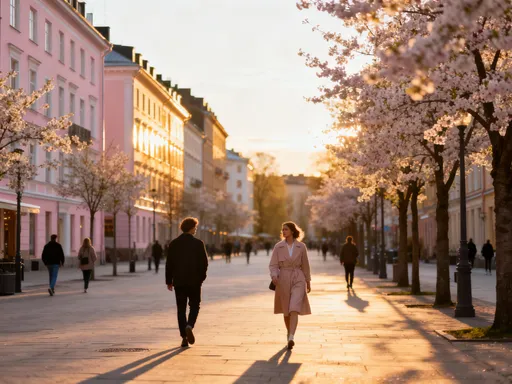
Choosing the right place to park can transform a visit to Paris from chaotic to seamless. Certain neighborhoods offer ideal access to cultural hotspots while minimizing driving stress. Montmartre, perched on a hill in the 18th arrondissement, is one such destination. While the climb to the Sacré-Cœur Basilica is steep, several parking garages at the base of the hill—such as the one on Rue des Abbesses—provide secure storage. From there, visitors can walk or take the funicular up into the village-like heart of Montmartre, where winding alleys, street artists, and intimate cafés create a bohemian atmosphere.
Saint-Germain-des-Prés, in the 6th arrondissement, is another excellent entry point. Known for its literary history and elegant boutiques, this neighborhood is best explored on foot. The Parking Saint-Germain, located just off Boulevard Saint-Germain, offers easy access to the Café de Flore, the Luxembourg Gardens, and the Musée d’Orsay. After parking, a leisurely stroll along the Seine reveals bookstalls, sculptors, and views of Notre-Dame, making the transition from driver to pedestrian both natural and rewarding.
Le Marais, one of Paris’s oldest districts, is particularly well-suited for the park-and-stroll model. Its narrow, cobbled streets are largely pedestrian-only, preserving the area’s historic charm. The Parking Hôtel de Ville, near the Centre Pompidou, provides sheltered spaces and is within walking distance of the Musée Picasso, the Place des Vosges, and numerous kosher bakeries and vintage shops. Families appreciate the area’s open plazas, where children can run freely while adults sip coffee at shaded tables.
For those interested in contemporary art and design, the 13th arrondissement offers modern alternatives. The Parking Tolbiac, near the Bibliothèque François Mitterrand, grants access to the Cité de la Mode et du Design and the street art-covered Coulée verte. This part of Paris feels less touristy and more like a living neighborhood, where daily life unfolds in open-air markets and riverside parks. By selecting these strategic parking zones, travelers gain the best of both worlds: the convenience of car access and the pleasure of unhurried exploration.
Beyond the Louvre: Offbeat Cultural Gems You Can’t Miss
While the Louvre and the Eiffel Tower rightfully draw millions, Paris’s true cultural richness lies in its lesser-known corners. Driving allows access to these hidden treasures, often located just beyond the main tourist corridors. The Musée de la Vie Romantique, tucked into a quiet courtyard in the 9th arrondissement, is one such gem. Housed in a 19th-century mansion, it celebrates the Romantic era through paintings, manuscripts, and personal artifacts of George Sand. The adjacent tea room, with its ivy-covered walls and delicate pastries, invites visitors to linger as if stepping into a novel by Hugo or Dumas.
Another under-the-radar destination is the Musée Zadkine, located in a leafy garden near the Luxembourg Gardens. This small museum honors the Russian-French sculptor Ossip Zadkine and displays his expressive wood and bronze works in a setting that feels more like a private atelier than a public institution. The surrounding garden, with its winding paths and hidden benches, offers a rare moment of solitude in the city. Families with older children may appreciate the hands-on workshops occasionally offered here, where young visitors can try their hand at clay modeling.
For music lovers, the city’s intimate performance spaces are a revelation. The Caveau de la Huchette, a historic jazz cellar in the 5th arrondissement, has hosted legends since the 1940s. While the club itself is best reached on foot, driving to a nearby garage allows for a relaxed evening without the worry of late-night transit. The energy of live swing music, the dim lighting, and the spontaneous dancing in the aisles create an atmosphere that feels timeless and deeply Parisian.
Outside the center, the Musée départemental Albert-Kahn in Boulogne-Billancourt offers a different kind of cultural immersion. This former estate features a Japanese garden, a rose garden, and a museum dedicated to global photography from the early 20th century. The collection, assembled by banker Albert Kahn, reflects a vision of peace through cross-cultural understanding. The site is easily accessible by car and includes ample parking and picnic areas, making it ideal for a full-day outing. It’s the kind of place that reminds visitors how much beauty exists beyond the guidebooks.
Flavors on Wheels: Roadside Bites and Market Stops
No journey through France is complete without savoring its culinary heritage, and driving provides unparalleled access to authentic flavors. Along the roads leading to Paris, regional specialties abound—crisp tartes flambées in Alsace, creamy Camembert in Normandy, and plump oysters near the coast. These foods are best enjoyed close to their source, where freshness and tradition converge. Roadside stands, often marked by simple hand-painted signs, offer direct access to farmers and artisans who take pride in their craft.
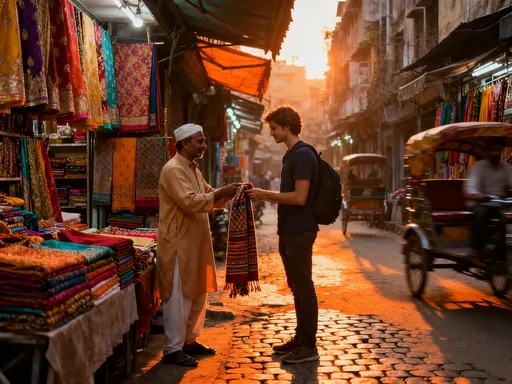
One of the most rewarding stops is at a marché couvert—a covered market—on the outskirts of the city. The Marché Biologique Raspail, held every Sunday in the 14th arrondissement, is a favorite among locals and in-the-know visitors. Here, organic producers from across northern France sell heirloom tomatoes, wild mushrooms, and raw honey in glass jars. The scent of roasting coffee and warm pain au chocolat fills the air, and vendors are happy to offer samples. Bringing a reusable bag and a willingness to engage in simple French phrases enhances the experience, turning shopping into a small act of cultural exchange.
Within Paris, neighborhood markets provide equally rich experiences. The Marché d’Aligre, in the 12th arrondissement, is less polished than some others but more vibrant. Stalls overflow with seasonal fruit, dried lentils, and wheels of Comté cheese. A small bar at the back serves wine by the glass, allowing visitors to enjoy a quick lunch of charcuterie and bread while soaking in the local rhythm. Driving to a nearby garage makes it easy to carry home a few edible souvenirs—perhaps a jar of lavender honey or a block of aged Beaufort.
For those with time, a detour to a boulangerie just outside the city limits can yield the freshest baguette of the trip. Many small-town bakeries deliver their bread early in the morning, meaning a midday stop still offers warm, crusty loaves. Paired with butter from a nearby farm and a piece of fruit, this simple meal becomes a highlight. These moments—eating in a village square, sharing a smile with a vendor, discovering a new flavor—define the soul of French travel.
Driving Home: How the Journey Changes Your View of Paris
When the trip concludes and the car turns away from the city lights, something subtle but profound has shifted. The Paris that once seemed distant and iconic now feels familiar, even personal. This transformation is the quiet magic of self-driving travel—not just seeing the city, but living it through a series of small, cumulative experiences. The woman who waved from her flower stall in Giverny, the scent of rain on cobblestones in Montmartre, the taste of a peach bought from a roadside stand in Île-de-France—these fragments form a deeper connection than any monument ever could.
Driving fosters a unique attentiveness. Behind the wheel, travelers notice details they might otherwise miss: the way sunlight filters through plane trees on the Champs-Élysées, the sound of a street musician’s accordion drifting from a courtyard, the rhythm of daily life in a suburban bakery. These observations, gathered mile by mile, build a richer, more textured understanding of France. The journey becomes a living journal, written in landscapes, flavors, and fleeting human moments.
Moreover, the act of driving encourages patience and presence. Unlike high-speed rail, which compresses time and space, the car journey unfolds gradually. There are no announcements, no assigned seats, no need to rush. Instead, there is room for conversation, for silence, for spontaneous decisions. A detour becomes an adventure, a traffic delay a chance to observe. This slower pace aligns with the French art de vivre—a philosophy of savoring, not rushing.
For many travelers, especially women balancing family and personal fulfillment, this kind of journey offers something rare: autonomy and meaning. It is travel that respects both curiosity and comfort, that allows for discovery without exhaustion. Returning home, one doesn’t just bring back photos or souvenirs, but a renewed sense of possibility—the knowledge that beauty, connection, and inspiration are found not just in destinations, but in the act of getting there.
In the end, Paris is more than a city. It is a feeling, a rhythm, a mosaic of moments. And when you arrive by car, you don’t just visit—it lets you in.