Where Art Meets Appetite in Reykjavik’s Creative Heart
Reykjavik isn’t just Iceland’s capital—it’s a living canvas where art and food collide in the most delicious ways. I wandered its colorful streets and stumbled upon dining experiences that felt like gallery openings. From handcrafted plates to restaurant walls painted with local stories, every meal told a tale. If you think specialty dining is just about flavor, think again—here, it’s sight, sound, and soul, all served on a plate. This small Nordic city, perched on the edge of the Arctic, has turned the act of eating into an artistic performance, where every course is choreographed with intention and every space tells a story. It’s not just about what’s on the fork—it’s about where you are, who made it, and how it makes you feel.
The Artistic Pulse of Reykjavik
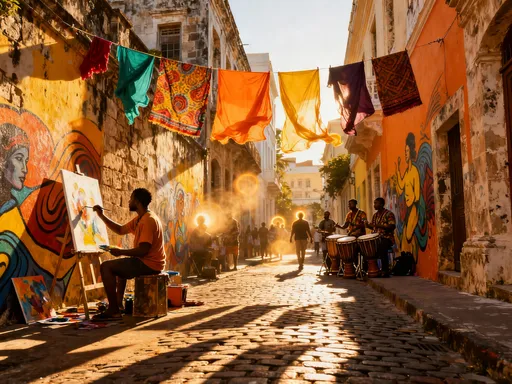
Reykjavik thrives as a creative sanctuary, where artistic expression is not reserved for museums but woven into the fabric of daily life. The city pulses with a quiet yet powerful energy, evident in its brightly painted wooden houses, open-air murals, and the constant hum of independent design studios tucked into narrow streets. From the harbor district of Grandi to the lively downtown core along Laugavegur, art isn’t something you merely observe—it surrounds you. Street art flourishes on corrugated metal walls, often depicting mythical creatures, abstract patterns, or nods to Icelandic folklore. These visual narratives mirror the nation’s deep connection to nature and storytelling, forming a cultural language that resonates across generations.
What sets Reykjavik apart is how seamlessly this artistic ethos blends with everyday experiences, especially food. Unlike cities where art and cuisine exist in separate spheres, here they converge naturally. Restaurants are designed as immersive environments—spaces where lighting, acoustics, and textures are carefully considered, much like an art installation. The minimalist Nordic aesthetic, shaped by Iceland’s raw landscapes, influences both the visual arts and culinary presentation. Clean lines, natural materials, and a reverence for simplicity define the city’s design philosophy. This shared sensibility allows chefs and artists to speak the same visual language, creating dining experiences that are as much about atmosphere as they are about taste.
The city’s openness to experimentation also plays a crucial role. Reykjavik’s small size fosters a close-knit creative community, where collaboration between disciplines is not only possible but encouraged. Artists host pop-up exhibitions in cafés, musicians perform in converted warehouses, and chefs commission local potters to create custom tableware. This cross-pollination results in a dining culture that feels alive, dynamic, and deeply authentic. It’s a place where a meal can begin with a sculpture and end with a poem, all without feeling forced or performative. The artistic pulse of Reykjavik isn’t loud—it’s subtle, thoughtful, and ever-present, like the distant echo of the sea against volcanic rock.
Dining as a Multi-Sensory Experience
In Reykjavik, dining transcends the plate. It becomes a full sensory engagement—an experience that appeals not just to the palate, but to the eyes, ears, and even the sense of touch. Many restaurants are designed with the precision of art galleries, where every element contributes to a cohesive narrative. Interiors often feature hand-carved wooden furnishings, walls embedded with basalt columns, or suspended lighting that mimics the Northern Lights. These spaces don’t just house meals—they frame them, turning each course into a curated moment. The boundary between restaurant and exhibition blurs, inviting guests to see their dinner as part of a larger artistic journey.
One striking example is the growing trend of chef-artist collaborations. In select venues, menus are developed in tandem with visual artists, resulting in dishes that mirror current exhibitions or seasonal art themes. A summer menu might reflect the vibrancy of blooming Arctic flora, with dishes adorned in edible flowers and served on plates painted with wildflower motifs. During winter, the focus may shift to monochrome presentations—deep black bread, white skyr foam, and charcoal-dusted vegetables—echoing the stark beauty of Iceland’s dark season. These thematic experiences are not gimmicks; they are deliberate expressions of place and time, rooted in local inspiration.
Sound also plays a subtle but important role. Some restaurants incorporate ambient audio—recordings of crashing waves, crackling fire, or traditional Icelandic chanting—played at low volumes to enhance the atmosphere. Others feature live acoustic performances, where a solo violinist or folk singer adds an emotional layer to the evening. Even the cutlery is chosen with care: heavy ceramic bowls, hand-forged spoons, or glasses made from recycled glass all contribute to the tactile experience. The result is a meal that feels intentional from start to finish, where each detail is part of a larger artistic composition.
This multi-sensory approach reflects a broader shift in how people relate to food. No longer seen as mere sustenance, dining in Reykjavik is treated as a form of cultural participation. Guests are not passive consumers—they are active witnesses to a creative process. By engaging multiple senses, these restaurants create memorable moments that linger long after the last bite. It’s not about extravagance; it’s about depth, authenticity, and connection. In a world where meals are often rushed, Reykjavik offers a powerful reminder that eating can be slow, thoughtful, and profoundly beautiful.
Chef-Curated Menus Inspired by Icelandic Nature
The wild landscapes of Iceland—its glaciers, lava fields, and coastal cliffs—are not just backdrops for postcard photos; they are active muses in Reykjavik’s kitchens. Many of the city’s top chefs design tasting menus that pay homage to the country’s natural environment, translating its textures, colors, and moods into edible art. These aren’t just meals—they are culinary journeys through Iceland’s seasons, where each dish tells a story of place and time. A single course might evoke the misty edge of a fjord, the crunch of snow underfoot, or the sudden burst of green in a summer meadow.
One hallmark of this approach is the emphasis on seasonality. Menus change frequently, sometimes weekly, to reflect what is fresh and available. In spring, chefs might feature tender shoots of wild garlic or the first rhubarb harvest, presented with delicate gels and herbal foams that mimic the awakening of the land. Summer brings a burst of color—cloudberries, angelica, and sea buckthorn—used to create vibrant sauces and garnishes that resemble abstract paintings. Autumn menus often lean into earthy tones: roasted root vegetables, fermented mushrooms, and preserved berries, served in ways that echo the falling leaves and cooling air. Even winter, with its long nights and limited produce, inspires creativity—smoked meats, pickled vegetables, and warm spiced drinks become part of a comforting, introspective dining experience.
The ingredients themselves are treated as art forms. Take skyr, Iceland’s famous cultured dairy product. Once a humble staple, it now appears in high-end restaurants as a silky mousse, a frozen granita, or a whipped foam layered with wild berries. Lamb, raised on open pastures, is slow-cooked to tenderness and served with foraged herbs that add both flavor and visual interest. Even seaweed, harvested from rocky shores, is used not just for taste but for its dramatic appearance—crisp, black, and curling like ocean waves on the plate. These elements are arranged with the precision of a painter, using negative space, color contrast, and texture to create visual impact.
Restaurants like Dill and Varðin have gained recognition for this nature-driven philosophy. At Dill, the tasting menu unfolds like a poetic narrative, with each course named after a natural phenomenon—“First Light,” “Moss Garden,” “Frozen Stream.” The presentation is minimalist yet powerful, allowing the ingredients to speak for themselves. Varðin, located in a historic building overlooking the sea, combines panoramic views with a menu that mirrors the surrounding environment. Here, a dish of grilled Arctic char might be served on a slate tile, garnished with edible flowers and a drizzle of herb oil that resembles a river winding through rock. These kitchens don’t just cook—they interpret, transforming the raw beauty of Iceland into something that can be tasted, seen, and felt.
Hidden Gems: Small-Scale Art & Food Fusion Spots
Beyond the well-known restaurants, Reykjavik’s true magic often lies in its smaller, lesser-known spaces—intimate cafés, pop-up kitchens, and hybrid studio-restaurants where art and food exist in harmonious balance. These hidden gems offer a more personal glimpse into the city’s creative soul, where the line between artist and chef, diner and guest, becomes beautifully blurred. They are the kind of places you stumble upon by chance, drawn in by a hand-painted sign, an open studio door, or the scent of fresh bread mingling with turpentine.
One such spot is a café housed in a former printmaking studio, where the walls are still lined with wooden presses and ink-stained worktables. Here, guests sip herbal teas from handmade mugs while watching artists carve new designs in the back room. The menu is simple—rye bread with whipped goat cheese, rhubarb jam, and a boiled egg dusted with paprika—but every item is presented with care, as if part of an ongoing exhibition. Another example is a weekend pop-up bakery that operates inside a rotating art gallery. Each month, a new artist transforms the space, and the baker creates pastries inspired by the current theme. A geometric abstract show might inspire croissants with zigzag patterns of chocolate, while a nature-based exhibition could lead to tarts shaped like leaves and dusted with green matcha.
These small-scale venues thrive on intimacy and authenticity. Unlike larger restaurants, they often operate with minimal staff, allowing for direct interaction between creator and guest. You might find yourself chatting with the chef about foraging trips, or the potter who made your plate explaining the firing process. This closeness fosters a sense of community and shared appreciation. It’s not just about eating—it’s about connecting, learning, and being part of something unfolding in real time. These spaces reflect Reykjavik’s grassroots creativity, where art and food are not commodities but expressions of personal passion and cultural identity.
Discovering these spots requires curiosity and a willingness to wander. They rarely advertise heavily, relying instead on word of mouth and local support. Some operate only seasonally or on weekends, adding to their charm and exclusivity. For travelers, seeking them out becomes a rewarding adventure—a chance to experience Reykjavik not as a tourist, but as a temporary local. In these quiet corners of the city, the fusion of art and appetite feels most genuine, unpolished, and deeply human.
The Role of Ceramics and Tableware in the Dining Aesthetic
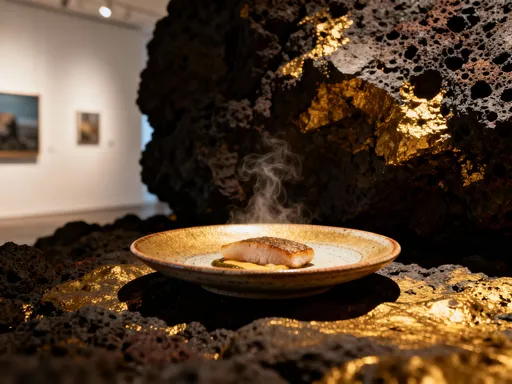
In Reykjavik, the plate is not just a container—it’s a canvas. Handmade ceramics play a vital role in the city’s dining culture, where tableware is chosen not for uniformity, but for individuality and meaning. Many restaurants source their dishes from local potters who use Icelandic materials, including clay infused with volcanic ash. Each piece is unique, bearing the fingerprints of its maker and the subtle variations of natural pigments. These ceramics do more than hold food—they enhance it, adding texture, color, and narrative depth to every course.
The use of handmade tableware reflects a broader philosophy: that beauty lies in imperfection. Unlike mass-produced porcelain, these pieces may have slight asymmetries, uneven glazes, or organic shapes that echo natural forms. A bowl might resemble a weathered stone, its surface rough and speckled. A plate could mimic the flow of lava, with ridges and dips that guide the placement of food. These characteristics are not flaws—they are features, celebrating the human touch and the unpredictability of nature. When a dish of smoked lamb is served on a black, cratered plate, it feels connected to the land in a way that a plain white dish could never achieve.
Many potters in Reykjavik are deeply influenced by the environment. Some collect clay from specific regions, believing that the mineral content affects the final color and texture. Others fire their work using traditional wood-burning kilns, allowing the flames to create unpredictable patterns on the surface. These methods result in ceramics that are not just functional, but symbolic—each piece carries a story of place and process. Restaurants that partner with these artisans often highlight the potter’s name, treating the tableware as part of the artistic credit, much like a painting in a gallery would list its creator.
The sensory experience is also heightened by the weight and temperature of the ceramics. A thick stoneware mug retains heat, warming the hands as you sip herbal tea. A cool, smooth bowl enhances the freshness of a skyr parfait. Even the sound— the soft clink of a wooden spoon against ceramic—adds to the atmosphere. In this way, tableware becomes an active participant in the meal, engaging the diner on multiple levels. It’s a quiet yet powerful reminder that every detail matters, and that eating can be a form of aesthetic appreciation as much as nourishment.
Planning Your Art-Focused Food Journey: Practical Tips
To fully experience the fusion of art and dining in Reykjavik, a bit of planning can go a long way. While spontaneity has its rewards—especially when discovering hidden cafés or street art—it’s wise to align your visit with key cultural events that amplify the city’s creative energy. One of the best times to visit is during DesignMarch, an annual festival celebrating Icelandic design in all its forms. Throughout the city, studios open their doors, galleries host special exhibitions, and restaurants introduce limited-edition menus inspired by the theme. It’s a vibrant period when the connection between art and food is most visible and accessible.
Another excellent opportunity is Culture Night, or Menningarnótt, a city-wide celebration held each August. The streets come alive with music, performance art, and open-air installations. Many restaurants extend their hours and offer special tasting menus, often in collaboration with local artists. It’s a perfect chance to experience Reykjavik’s creative spirit in full bloom, where dining becomes part of a larger cultural festival. Even outside these events, combining a gallery visit with a meal at a design-conscious restaurant can deepen your appreciation. Begin at the Reykjavik Art Museum or the National Gallery, then walk to a nearby eatery like Matur og Drykkur or Kopar, where the interiors reflect the same attention to detail as the artworks you’ve just seen.
Reservations are essential, especially for intimate venues and tasting menu experiences. Many of Reykjavik’s most sought-after restaurants have only a handful of tables, and they book up quickly, particularly in the summer months. It’s recommended to secure a table several weeks in advance, especially if you’re traveling during peak season. Don’t hesitate to ask about chef’s menus or wine pairings—they often include thoughtful explanations of the inspiration behind each course, enhancing the overall experience.
Keep in mind that some smaller spots may have seasonal closures or limited hours. A charming studio-café might be open only on weekends, or a pop-up bakery may operate for just a few months a year. Checking local event calendars and following Reykjavik-based food and art blogs can help you stay informed. Lastly, embrace the pace. Reykjavik’s art-dining experiences are not meant to be rushed. Allow time to linger, to observe, to ask questions. Let the city unfold at its own rhythm, and you’ll find that the slow, intentional approach is part of the magic.
Why This Fusion Matters: Culture, Identity, and Connection
The blending of art and food in Reykjavik is more than a trend—it’s a reflection of Icelandic identity. In a country shaped by isolation, harsh climates, and a deep respect for nature, creativity has always been a form of resilience. The ability to find beauty in simplicity, to transform raw materials into something meaningful, is woven into the national character. When chefs and artists collaborate, they are not just creating meals or exhibitions—they are affirming a cultural value: that life, even in its most ordinary moments, can be elevated through intention and care.
This fusion also fosters connection—between people, place, and tradition. A meal served on a handmade plate, inspired by a glacier and prepared with foraged herbs, becomes a bridge to the land and its history. It invites diners to slow down, to notice, to appreciate. In a fast-paced world, this kind of mindful engagement is a gift. It reminds us that food is not just fuel, but a form of storytelling, a way of sharing who we are and where we come from.
For visitors, especially those in their 30s to 50s who value authenticity and meaningful experiences, Reykjavik offers something rare: a city where creativity is not performative, but lived. It’s a place where art isn’t locked behind glass, and food isn’t just consumed, but experienced. By embracing both, travelers gain a deeper understanding of Iceland—not through postcards or souvenirs, but through the taste of smoked lamb, the warmth of a hand-thrown mug, and the quiet beauty of a mural on a side street.
So the next time you sit down to a meal, consider what it could be. Not just a dish, but a moment. Not just flavor, but feeling. In Reykjavik, every bite is an invitation—to see, to feel, to connect. And in that connection, there is art, there is appetite, and there is home.