Where Art Meets the Plate in Nouakchott
You know that feeling when a meal doesn’t just feed your stomach but also stirs your soul? In Nouakchott, Mauritania, I discovered dining isn’t just about food—it’s a canvas. From hand-painted ceramics to rhythm-infused street kitchens, every bite feels like a performance. This is where art and flavor collide in the most unexpected ways. Trust me, you’ve never tasted culture like this before. In a city often overlooked by mainstream travel itineraries, Nouakchott reveals itself through quiet yet profound gestures—a patterned cloth beneath a steaming pot, the rhythmic pounding of millet, the careful placement of fish atop a mound of golden rice. Here, culinary tradition is not preserved in sterile museums but lived daily, shaped by hands that value beauty as much as nourishment. This is not just eating. This is experiencing culture in motion.
First Impressions: Nouakchott’s Artistic Pulse
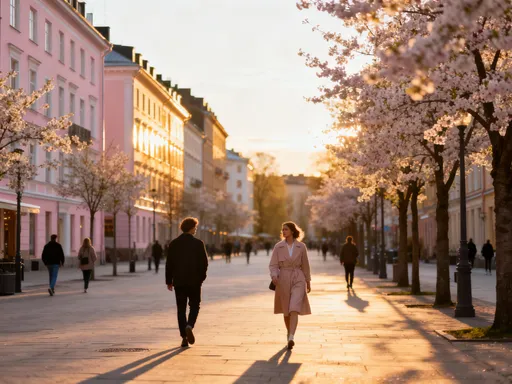
Nouakchott, the coastal capital of Mauritania, unfolds in wide avenues lined with low-rise buildings painted in soft ochre, sandstone, and sea-washed blue. At first glance, the city may seem unassuming—its skyline uncluttered, its pace unhurried. But look closer, and you’ll find an undercurrent of creativity that pulses through its streets. Unlike cities where art is confined to galleries or elite institutions, in Nouakchott, artistic expression is woven into the fabric of everyday life. Women walk in brightly colored moubas, flowing garments adorned with intricate embroidery that tells stories of heritage and identity. Market stalls are draped in handwoven fabrics, each pattern a regional signature passed down through generations. Graffiti, though modest in scale, appears on concrete walls near roundabouts—simple yet bold declarations of pride, faith, and community.
What makes Nouakchott unique is how seamlessly the visual arts blend with daily routines. There is no strict separation between the functional and the beautiful. A basket used to carry vegetables is not merely practical—it is carefully woven with geometric patterns that echo ancient Sahelian design. Even schoolchildren’s notebooks often feature hand-drawn borders, evidence of an innate inclination toward personalization and aesthetic care. This artistic sensibility doesn’t require formal training; it emerges naturally from a culture that values craftsmanship and visual harmony. It’s a city where creativity isn’t reserved for special occasions but is part of the ordinary rhythm of life.
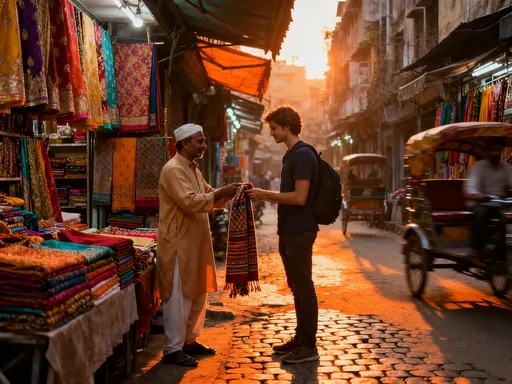
Public spaces reflect this same ethos. In central markets like Marché Capitale, color dominates the scene. Pyramids of spices glow in shades of saffron, paprika, and turmeric. Fruits are arranged not just for sale but for visual appeal—mangoes stacked in golden tiers, pomegranates grouped like jewels. Vendors take pride in presentation, knowing that beauty draws attention and invites engagement. It’s not uncommon to see a woman arranging okra with meticulous care, turning a simple vegetable display into a temporary still-life composition. These gestures may seem small, but collectively, they reveal a deep cultural respect for the sensory experience of living—a philosophy that extends powerfully into the realm of food.
The Aesthetics of Eating: When Dining Becomes Performance
In Nouakchott, eating is never a purely utilitarian act. From the moment you sit down—whether on a woven mat under a shaded awning or at a simple wooden table in a neighborhood eatery—the experience engages all the senses. The environment itself becomes part of the meal. Many dining spaces are intentionally designed to stimulate visual and auditory pleasure. Walls are painted in warm earth tones or decorated with mosaic fragments and reclaimed wood. Music often plays softly in the background—traditional Moorish melodies with haunting string instruments, or contemporary West African rhythms that pulse gently beneath the clatter of pots and pans.
Table settings, though modest, are never an afterthought. Meals are served on large communal platters, often handcrafted from local clay or recycled materials. Bowls are sometimes rimmed with indigo-dyed cloth, adding a touch of elegance. Even plastic utensils, when used, are arranged with care. The act of serving is deliberate and rhythmic, almost ceremonial. A server might lower a steaming dish with both hands, bowing slightly, signaling respect for both the food and the guest. This attention to ritual transforms eating from a biological necessity into a shared cultural moment.
The sensory journey continues with aroma and sound. The scent of cumin, ginger, and smoked fish drifts through the air long before the first bite. You hear the sizzle of onions caramelizing in a wide pan, the rhythmic chop of a knife on wood, the laughter of families gathered around shared meals. These sounds and smells are not background noise—they are integral to the dining experience, heightening anticipation and deepening enjoyment. Research in sensory psychology supports this: when multiple senses are engaged, flavor perception intensifies. In Nouakchott, this principle is lived intuitively. A meal is not judged solely by taste but by how it makes you feel—grounded, welcomed, and connected.
Street Eats with Soul: Artistry in Everyday Food Stalls
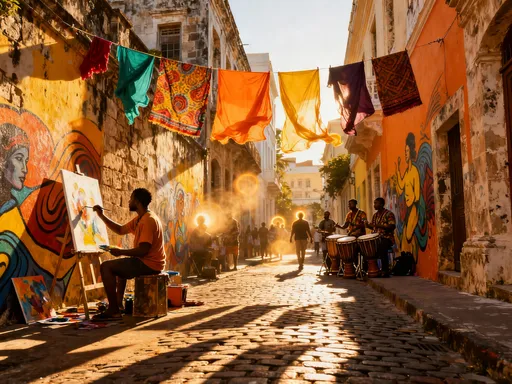
Some of the most authentic and artistically rich culinary experiences in Nouakchott happen on the sidewalk. Street food here is not a hurried grab-and-go affair but a carefully curated expression of local identity. Small stalls, often family-run, operate from dawn until late evening, each with its own visual signature. Hand-painted signs advertise specialties in bold Arabic script and French, sometimes embellished with decorative flourishes or small illustrations of fish, bread, or spice bundles. These signs are not just functional—they are folk art, created by local painters who understand the power of color and typography to attract and communicate.
Beneath these signs, the real artistry unfolds. Vendors use woven palm mats to display bread, their natural texture contrasting beautifully with the soft, round loaves of khobz or msemen. Some set up low tables draped in patterned fabric, transforming a simple roadside stop into a welcoming dining space. The preparation process itself is a performance. Watch a cook shape camel meat into skewers, pressing in herbs with practiced fingers. Observe how a woman ladles thieboudienne—a rich fish and rice stew—onto a platter, arranging the fish on top with deliberate care, like placing a centerpiece on a canvas. Every motion is precise, every detail intentional.
These vendors are more than cooks—they are informal artists, balancing flavor, presentation, and hospitality. Their work is rarely credited in traditional art circles, yet their contribution to cultural expression is undeniable. They operate without formal training in design, yet they understand composition, contrast, and balance. They use limited resources to create beauty and nourishment in equal measure. Supporting these small vendors isn’t just about enjoying good food; it’s about honoring a living tradition of creativity that sustains communities. For the mindful traveler, a meal at a street stall is not a compromise but a privilege—an invitation to witness artistry in its most unpretentious and heartfelt form.
Ceramics and Cuisine: The Craft Behind the Tableware
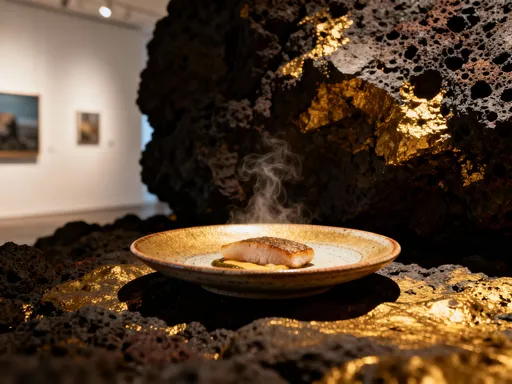
One of the most striking aspects of dining in Nouakchott is the tableware. Unlike mass-produced dishes common in commercial restaurants elsewhere, many meals are served on handcrafted ceramics that carry the imprint of their maker. These pieces are typically made in small neighborhood workshops by artisans who use traditional techniques passed down through families. The process begins with locally sourced clay, shaped on simple kick wheels or by hand, then sun-dried and fired in wood-burning kilns. Glazes are often minimal, allowing the natural texture of the clay to show through. Colors tend to be earthy—terracotta, charcoal, sand white—echoing the hues of the surrounding desert and Atlantic coast.
Visiting one such workshop reveals the deep connection between craft and environment. The artisan’s hands move with quiet confidence, shaping bowls and platters that will one day hold family meals or street food. Each piece is slightly irregular, bearing the marks of human touch—a fingerprint here, a subtle asymmetry there. These imperfections are not flaws; they are testaments to authenticity. In a world increasingly dominated by uniformity, such handmade items offer a rare sense of individuality and warmth. When you eat from a bowl shaped by hand, you feel a direct connection to the person who made it and the land it came from.
The design of these ceramics often reflects cultural symbolism. Some bowls feature incised patterns inspired by nomadic tent embroidery or ancient rock engravings found in the Adrar Plateau. Others are painted with simple motifs—waves, stars, or geometric lines—that evoke the rhythm of daily life. These details are not decorative whimsy; they carry meaning. A spiral might represent the journey of life, a wave the presence of the nearby ocean, a diamond pattern the resilience of the desert. When such a bowl holds a meal, it becomes more than a container—it becomes a storyteller. The food and the vessel together create a narrative of place, history, and identity.
Flavor as Expression: Traditional Dishes Reimagined
The heart of Nouakchott’s culinary artistry lies in its traditional dishes, which are both deeply rooted and quietly evolving. Thieboudienne, often considered the national dish, is a prime example. At its core, it is a stew of fish, rice, and vegetables—cabbage, carrots, eggplant—slow-cooked in a rich tomato and onion base seasoned with garlic, ginger, and chili. But in Nouakchott, preparation goes beyond taste. The presentation is deliberate: the fish is placed whole atop the rice, its skin glistening, flanked by colorful vegetable wedges arranged in a sunburst pattern. This is not just a meal; it is a visual celebration of abundance and respect for the sea.
Camel meat, another staple, is prepared in ways that highlight both flavor and cultural significance. Whether grilled as kebabs or stewed with lentils and spices, it is often served on large platters lined with fresh herbs. The deep, smoky aroma fills the air, inviting diners to gather closely. Presentation here emphasizes communal sharing—food is not portioned individually but meant to be eaten together, reinforcing family and social bonds. Even the way bread is torn and passed around follows an unspoken etiquette of generosity and connection.
Home chefs, particularly women, play a vital role in preserving and innovating these traditions. While recipes are passed down orally, they are not rigid. A cook might add a new spice blend inspired by a seasonal market find, or adjust the color balance of vegetables to reflect a festive occasion. These subtle changes are acts of creativity, turning each meal into a unique expression. In this way, cooking becomes a form of cultural stewardship—an art form that honors the past while adapting to the present. For visitors, experiencing these dishes is not just about tasting new flavors but about understanding how food serves as a living archive of identity.
Choosing the Right Spot: Balancing Authenticity and Comfort
For travelers seeking both authenticity and peace of mind, navigating Nouakchott’s dining scene requires thoughtful consideration. The city offers a spectrum of options, from bustling open-air markets to modest seated cafés tucked into residential neighborhoods. The key is to observe and engage respectfully. Begin by visiting well-frequented spots where locals eat—this is often the best indicator of both quality and hygiene. Look for stalls or restaurants where food is freshly prepared, covered when not in use, and served with clean utensils. A steady stream of customers is usually a good sign, as locals know which vendors maintain safe practices.
Open-air markets offer the most immersive experience but require extra attention to personal hygiene. Carry hand sanitizer and drink only bottled or filtered water. Eat cooked foods that are served hot, as high temperatures reduce the risk of contamination. If you’re unsure about a dish, don’t hesitate to ask how it’s prepared—most vendors are happy to explain, and the gesture shows respect. When dining at a street stall, sit on provided mats or chairs, and avoid placing personal items directly on the ground.
For those who prefer a more structured setting, small family-run cafés provide a comfortable middle ground. These establishments often feature simple menus, clean seating, and a welcoming atmosphere. Many are decorated with local art, creating a bridge between cultural experience and physical comfort. Timing also matters—lunch is typically the busiest and most vibrant meal, while dinner tends to be quieter and more intimate. Visiting during peak hours ensures fresher food and a livelier ambiance. Above all, approach each meal with an open mind and a respectful demeanor. A smile, a polite greeting in Arabic or French, and a willingness to participate in local customs go a long way in building trust and deepening the experience.
Why This Experience Matters: Culture Served on a Plate
Dining in Nouakchott is more than a tourist activity—it is a form of cultural dialogue. When you sit down to eat in this city, you are not just consuming food; you are engaging with a worldview that values beauty, community, and craftsmanship. Every detail—from the hand-painted sign to the hand-shaped bowl to the carefully arranged meal—speaks to a deeper philosophy: that life, even in its simplest forms, deserves attention and care. This mindset challenges the modern tendency to rush, to prioritize efficiency over experience. In Nouakchott, meals are not interruptions but anchors—moments to pause, connect, and appreciate.
Supporting local food artisans and vendors is also an act of ethical tourism. Every purchase sustains a family, preserves a tradition, and affirms the value of handmade culture in an increasingly industrialized world. When you choose to eat at a street stall run by a woman who prepares thieboudienne from her grandmother’s recipe, you are not just feeding yourself—you are helping to keep a legacy alive. This kind of mindful engagement fosters mutual respect and understanding, breaking down stereotypes and building bridges between cultures.
Ultimately, Nouakchott teaches us that art is not confined to galleries or concert halls. It lives in the hands of those who cook, weave, paint, and serve. It thrives in the everyday moments we often overlook. A meal here is not just sustenance; it is a masterpiece in motion—a fleeting yet powerful expression of who we are and how we choose to live. For the traveler willing to look beyond the surface, Nouakchott offers a rare gift: the chance to taste beauty, one carefully crafted bite at a time.