Trail Smart: How I Track My Health Every Step of the Way
Hiking isn’t just about reaching the summit—it’s about how your body handles the journey. I used to push hard, ignore warning signs, and pay for it later. Now, I hike smarter by monitoring my health in real time. From heart rate trends to hydration cues, tracking changes how I experience the trail. It’s not obsessive; it’s empowering. This is how anyone can stay safe, strong, and in tune with their body—naturally and effectively. What once felt like a test of endurance has become a practice of awareness, where each step is guided not by willpower alone, but by listening to what my body quietly tells me.
The Hidden Challenge of Hiking: Why Your Body Needs Attention
Hiking is often seen as a peaceful escape—a way to reconnect with nature and step away from daily stress. Yet beneath the beauty of mountain views and forest paths lies a physical demand that many overlook. The body faces real and measurable challenges when navigating uneven terrain, high altitudes, and extended exertion. These stressors, while natural, can accumulate in ways that lead to fatigue, injury, or even more serious health concerns if not properly managed.
One of the most common misconceptions is that because hiking takes place in nature, it must be inherently safe for the body. However, the human frame is not automatically adapted to uphill climbs, rocky descents, or thin mountain air. Joints, especially in the knees and ankles, absorb repeated impact with every step on steep or unstable ground. The cardiovascular system works harder to deliver oxygen, particularly at elevation, where air pressure drops and breathing becomes more labored. Dehydration can set in quickly, especially when sweating goes unnoticed in cool weather or dry climates.
Many hikers dismiss early symptoms as temporary discomforts—slight dizziness, shortness of breath, muscle stiffness. But these are not just minor inconveniences; they are signals. Ignoring them can lead to sprains, exhaustion, or in rare cases, altitude-related illness. A woman in her early 40s once shared how she continued hiking despite persistent headaches and nausea at high elevation, only to be evacuated due to acute mountain sickness. Her story is not unique. The trail does not reward stubbornness—it rewards awareness. Understanding the body’s limits is not a sign of weakness, but of respect for its complexity and strength.
Moreover, age and fitness level play a significant role. A 50-year-old woman with a sedentary lifestyle may find even a moderate trail far more taxing than expected. Without preparation or monitoring, such hikes can become overwhelming. The goal is not to discourage hiking, but to encourage smarter engagement with it. By recognizing that the body needs attention—not just endurance—we shift from simply surviving the trail to truly thriving on it.
Why Health Monitoring Changes Everything on the Trail
Health monitoring transforms hiking from a reactive experience into a proactive one. Instead of waiting for pain or exhaustion to dictate the pace, hikers can use real-time feedback to adjust before problems arise. This shift in mindset—from pushing through to tuning in—can make the difference between a joyful journey and a painful retreat. Monitoring is not about fear or overthinking; it is about empowerment through knowledge.
For years, many believed that only elite athletes or serious mountaineers needed to track their vital signs. But in reality, anyone who hikes can benefit from a basic understanding of their body’s responses. A mother in Colorado began tracking her heart rate during weekend hikes after feeling unusually fatigued. She discovered her resting heart rate was consistently elevated, which led her to consult a doctor. What she thought was normal tiredness turned out to be an early sign of anemia. Her story illustrates how routine monitoring can reveal hidden health patterns, even outside clinical settings.
When hikers monitor their health, they gain the ability to respond to subtle changes. A slight increase in breathing rate may indicate the need for a rest. A drop in energy levels halfway through a trail could signal dehydration or low blood sugar. By catching these signs early, hikers can make informed decisions—slowing down, rehydrating, or shortening the hike—without feeling defeated. In fact, turning back is not failure; it is wisdom.
Additionally, monitoring fosters confidence. Knowing your body’s baseline and recognizing its signals builds trust. You learn what normal feels like, and what doesn’t. This awareness reduces anxiety and increases enjoyment. Instead of worrying about whether you’ll make it to the summit, you focus on the experience—the crisp air, the sound of birds, the rhythm of your breath. Health tracking doesn’t take the adventure out of hiking; it deepens it by grounding it in self-awareness.
What to Monitor: Key Health Signs Every Hiker Should Watch
To hike safely and effectively, certain health indicators offer valuable insight. These signs do not require medical expertise to understand. With a little practice, anyone can learn to interpret them as part of a natural hiking rhythm. The most important metrics include heart rate, breathing pattern, energy levels, hydration status, and joint feedback. Each plays a role in determining how well the body is coping with the demands of the trail.
Heart rate is one of the most reliable indicators of exertion. A steady, moderate increase is normal during uphill climbs. However, a heart rate that remains high even during rest, or spikes unexpectedly, may signal overexertion or poor acclimatization. For example, a woman hiking in the Rockies noticed her heart rate stayed above 140 beats per minute even while paused. She realized she hadn’t given her body enough time to adjust to the altitude. By descending slightly and resting, she allowed her system to recover. This simple observation prevented a more serious strain.
Breathing rhythm is another essential cue. Normal breathing should feel controlled, even during effort. If breaths become shallow, rapid, or labored, it may indicate the body is struggling to get enough oxygen. At higher elevations, this is especially common. The “talk test” is a practical way to assess this: if you cannot speak in short sentences without gasping, you may be pushing too hard. Slowing down or pausing to breathe deeply can restore balance.
Energy levels fluctuate throughout a hike, but a sudden or sustained drop should not be ignored. Fatigue that comes on quickly, especially if accompanied by dizziness or irritability, can point to low blood sugar or dehydration. Carrying snacks with complex carbohydrates and staying hydrated can help maintain steady energy. Paying attention to mental clarity—such as difficulty concentrating or feeling unusually emotional—can also reveal physical strain.
Hydration status is often underestimated. Thirst is not a reliable early indicator; by the time you feel thirsty, you may already be mildly dehydrated. Checking urine color—pale yellow is ideal—can help assess fluid levels. Dry mouth, headache, or reduced sweating are other signs. Drinking water at regular intervals, rather than waiting until thirsty, supports endurance and cognitive function.
Finally, joint feedback provides crucial information. Discomfort in the knees, hips, or ankles may result from poor footwear, uneven terrain, or overuse. Mild soreness is common, but sharp or persistent pain should not be ignored. Using trekking poles can reduce impact on the knees, especially during descents. Listening to joint signals helps prevent long-term injury and ensures future hikes remain enjoyable.
Tools That Help: From Smartwatches to Simple Habits
While technology can support health monitoring, it is not a requirement. Many effective tools are low-cost, accessible, and easy to use. The key is consistency and practicality. Devices like fitness watches and pulse oximeters offer real-time data, but simple observational habits can be just as valuable—especially in remote areas where batteries die or signals fail.
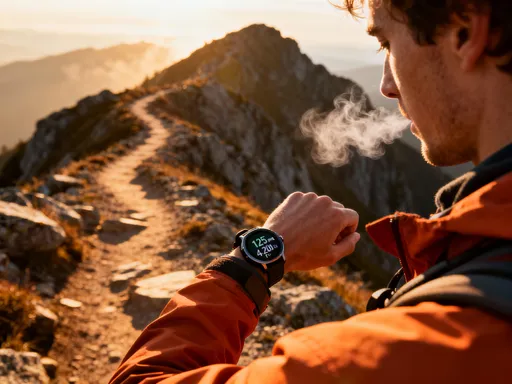
Fitness watches are among the most popular tools for hikers. They can track heart rate, steps, elevation gain, and even sleep patterns. Some models include GPS and altitude tracking, which help correlate physical effort with environmental conditions. For example, seeing a spike in heart rate at 9,000 feet may explain why breathing feels harder. These devices provide objective data that complements how you feel, offering a fuller picture of your body’s response.
Pulse oximeters, small devices that clip onto a finger, measure blood oxygen saturation. This can be especially helpful at high elevations, where oxygen levels are lower. A reading below 90% may indicate the need to rest or descend. While not essential for every hiker, they offer peace of mind for those new to mountain trails or with respiratory concerns.
However, not everyone needs gadgets. The “talk test” is a reliable, no-cost method to assess exertion. If you can speak comfortably in full sentences, your breathing is likely under control. If you’re gasping between words, it’s time to slow down. Similarly, the “buddy check”—asking a hiking partner how they feel—can reveal signs you might miss on your own.
Hydration can be monitored without technology. Carrying a marked water bottle helps track intake. A simple rule is to drink at least 8 ounces every 30 to 45 minutes during moderate activity, more in heat or at elevation. Checking urine color remains one of the easiest and most accurate methods. Dark yellow or amber indicates dehydration; pale yellow suggests adequate hydration.
Logging observations in a small notebook or mobile app can also build awareness over time. Noting how you felt at certain points on a trail—such as energy levels at the summit or joint comfort during descent—helps identify patterns. Over several hikes, these notes become a personal health map, guiding future decisions.
How to Build a Personal Monitoring Routine Before You Hike
Effective health tracking begins long before the first step on the trail. Establishing a baseline of your normal health metrics at home allows you to recognize when something is off during a hike. This preparatory phase is simple but powerful. It turns monitoring from a reactive tool into a preventive practice.
Start by measuring your resting heart rate. Do this first thing in the morning, before getting out of bed. A typical resting rate for adults ranges from 60 to 100 beats per minute, though well-conditioned individuals may have lower rates. Tracking this over a week gives you an average. If you notice a sudden increase—say, 15 to 20 beats above normal—it could indicate fatigue, illness, or stress, and may suggest you need more rest before attempting a strenuous hike.
Energy levels throughout the day are another useful metric. Keep a brief log of when you feel alert, sluggish, or unusually tired. This helps identify patterns related to sleep, diet, or activity. For instance, if you consistently feel drained in the afternoon, scheduling a midday hike might not be ideal. Instead, morning hikes could align better with your natural energy rhythm.
Recovery time after exercise is also telling. After a brisk walk or stair climb, how long does it take your breathing and heart rate to return to normal? A healthy cardiovascular system typically recovers within 5 to 10 minutes. If it takes longer, it may indicate lower fitness levels or other underlying factors worth discussing with a healthcare provider.
Creating a personal health profile doesn’t require complex tools. A simple journal or digital note can record these observations. Over time, this baseline becomes a reference point. On the trail, if your heart rate is unusually high or your energy drops faster than expected, you’ll know it’s not just part of the hike—it’s a signal worth heeding. This proactive approach fosters confidence and reduces the risk of overexertion.
On the Trail: Real-Time Adjustments Based on Your Body’s Feedback
Once on the trail, monitoring becomes an active practice. It’s no longer just about collecting data—it’s about making decisions. The ability to interpret your body’s signals and respond appropriately is what defines smart hiking. This responsiveness ensures safety, enhances enjoyment, and preserves long-term health.
Suppose you’re halfway up a mountain trail and begin to feel unusually fatigued. Your legs feel heavy, your breathing is shallow, and your heart rate feels elevated even at a slow pace. These are not signs to push through; they are cues to pause and assess. Stop for a few minutes, hydrate, and check in with yourself. Ask: Have I eaten recently? Am I overheated? Is the altitude affecting me? Often, a short rest with water and a snack can restore energy. If symptoms persist, it may be wiser to turn back. There is no shame in ending a hike early—only wisdom in protecting your well-being.
Knee discomfort during descent is another common issue. The downward motion places up to three times body weight on the kneecap. If pain begins, consider using trekking poles to reduce impact. Adjust your stride to shorter steps and avoid locking your knees. If the pain worsens, stop and evaluate. Continuing could lead to inflammation or injury. Sometimes, sitting and elevating the leg for a few minutes can provide relief. Carrying a lightweight compression wrap in your pack may also help manage swelling.
At high elevations, sudden headaches, nausea, or dizziness should never be ignored. These can be early signs of altitude sickness. The safest response is to stop ascending, rest, and hydrate. If symptoms do not improve within an hour, descending is the best course of action. Waiting can worsen the condition. Many experienced hikers follow the principle: “Don’t climb higher to sleep.” Acclimatizing at lower elevations before attempting higher trails reduces risk.
Weather changes also demand real-time adjustments. A sunny morning can turn windy and cold by afternoon. Hypothermia can occur even in mild temperatures if you’re wet and exposed. Monitoring for shivering, numbness, or confusion helps catch early signs. Carrying a lightweight rain jacket, hat, and extra layer ensures you can adapt quickly. Being prepared doesn’t mean expecting the worst—it means respecting the unpredictability of nature.
Long-Term Gains: How Tracking Builds Fitness and Confidence
The benefits of health monitoring extend far beyond a single hike. Over time, consistent tracking leads to measurable improvements in fitness, resilience, and self-awareness. What begins as a safety practice evolves into a lifelong habit of body intelligence. Hiking becomes not just a physical activity, but a form of personal growth.
Regular monitoring reveals patterns of progress. You may notice your resting heart rate gradually decreases, indicating improved cardiovascular efficiency. Recovery times shorten. You climb hills with less effort, maintain energy longer, and feel more alert throughout the day. These changes are not just physical—they boost confidence. Knowing your body is adapting reinforces motivation to continue.
Equally important is the development of intuition. As you log more hikes and observe your responses, you begin to anticipate needs before they become problems. You learn your optimal pace, your best time of day to hike, and how your body reacts to different terrains. This knowledge empowers you to plan better, choose appropriate trails, and support your body with proper nutrition and rest.
For many women in their 30s to 50s, hiking offers a rare space for self-care and reflection. Monitoring health enhances this experience by grounding it in respect for the body’s limits and strengths. It shifts the focus from comparison or competition to personal well-being. There is no need to match someone else’s pace or distance. Your hike is yours alone—guided by your rhythm, your readiness, and your awareness.
In the end, tracking health on the trail is not about perfection. It’s about presence. It’s about honoring the journey as much as the destination. By paying attention—not obsessively, but thoughtfully—you cultivate a deeper connection with yourself and the natural world. You hike not to conquer the mountain, but to understand yourself a little better with every step. And that, perhaps, is the greatest reward of all.