How I Quietly Transformed My Health with Qigong—And Why It Still Works
What if just ten minutes a day could ease your stress, boost your energy, and help you feel more grounded? For years, I struggled with low stamina and constant mental fog—until I discovered qigong. I didn’t believe it at first, but after months of consistent practice, the changes were undeniable. This isn’t about quick fixes; it’s about lasting balance. Rooted in traditional Chinese medicine, qigong offers a gentle yet powerful path to long-term health enhancement—no gym, no gear, just breath, movement, and intention. It doesn’t demand perfection, only presence. And for countless women juggling family, work, and personal well-being, that kind of accessible, sustainable self-care is not just welcome—it’s essential.
The Hidden Burnout Epidemic – Why Modern Life Drains Us
In today’s world, being busy is often worn like a badge of honor. Yet beneath the surface of packed schedules and endless to-do lists lies a growing crisis: chronic fatigue and emotional depletion. Many women in their 30s, 40s, and 50s report feeling constantly drained, even after a full night’s sleep. The causes are layered—long hours at work, caregiving responsibilities, digital overload, and the pressure to maintain a certain image of success. But the result is the same: a body and mind running on reserve power.
This isn’t just about tiredness. It’s about a deeper imbalance. When stress becomes constant, the body remains in a state of heightened alert, releasing cortisol and adrenaline long after the immediate threat has passed. Over time, this wear and tear can weaken the immune system, disrupt digestion, impair sleep, and cloud mental clarity. The irony is that most modern wellness solutions—intense workouts, restrictive diets, energy drinks—only add more strain rather than restoring true vitality.
Traditional wellness systems like qigong operate on a different principle: restoration over exertion. Rather than pushing the body harder, they focus on cultivating internal resources. In this way, qigong is not a reaction to burnout but a quiet rebellion against it. It offers a way to reset the nervous system, replenish energy stores, and reconnect with the body’s natural rhythms. For women who have spent years giving to others, this practice becomes a form of gentle reclaiming—a way to nurture oneself without guilt or grand gestures.
What Exactly Is Qigong? (And No, It’s Not Just “Slow Exercise”)
At its core, qigong (pronounced “chee-gong”) is a holistic practice that integrates breath, movement, and mental focus to cultivate and balance qi—the vital energy that supports life. Though rooted in ancient Chinese medicine, it is not mystical or religious. Think of qi as the body’s internal currency of vitality, similar to how modern science describes metabolic energy, nervous system regulation, and cellular function. When this energy flows smoothly, we feel alert, calm, and resilient. When it’s blocked or depleted, we experience fatigue, tension, or emotional imbalance.
Qigong involves slow, flowing movements coordinated with deep, rhythmic breathing and a calm, focused mind. Unlike high-intensity workouts that stress the cardiovascular system, qigong works by calming the nervous system and improving the body’s efficiency. It’s less about burning calories and more about enhancing circulation, oxygenation, and mental clarity. Each movement is intentional, designed to open energy pathways, release tension, and improve posture and coordination.
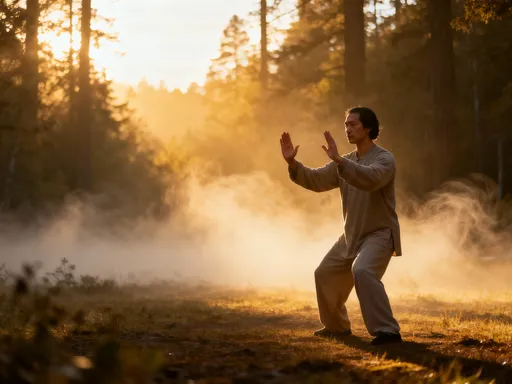
While it may resemble tai chi or yoga, qigong has its own distinct identity. Tai chi is often practiced as a martial art with complex sequences, while yoga emphasizes physical postures and flexibility. Qigong, by contrast, prioritizes energy regulation and internal awareness. Some forms are stationary, involving standing meditation and breathwork; others include gentle walking or flowing sequences. This adaptability makes it ideal for people of all fitness levels, especially those managing joint sensitivity, fatigue, or chronic conditions.
The Science Behind the Stillness – What Research Shows
Though qigong has been practiced for thousands of years, modern science is now confirming its benefits. Numerous peer-reviewed studies have demonstrated that regular qigong practice leads to measurable improvements in both physical and mental health. One meta-analysis published in the Journal of Alternative and Complementary Medicine found that qigong significantly reduces cortisol levels—the primary stress hormone—leading to lower anxiety and improved mood. Another study from Harvard Medical School highlighted its role in enhancing parasympathetic nervous system activity, which governs rest, digestion, and recovery.
Sleep quality is another area where qigong shows strong results. A 2020 clinical trial involving middle-aged women with mild insomnia showed that those who practiced qigong for eight weeks reported falling asleep faster, waking less at night, and feeling more refreshed in the morning. Researchers attributed these changes to the practice’s ability to regulate heart rate variability and quiet mental chatter—two key factors in achieving deep, restorative sleep.
Physical benefits are equally compelling. Regular practitioners often experience improved balance, reduced joint pain, and greater flexibility. A study from the University of California found that older adults who practiced qigong three times a week for 12 weeks showed significant gains in postural stability and muscle control—critical for preventing falls. Additionally, research has linked qigong to enhanced immune function, with participants showing increased levels of natural killer cells, which play a vital role in fighting infections.
What makes these findings remarkable is that they come from minimal time investment—typically 10 to 20 minutes a day. Unlike high-effort regimens that often lead to burnout or injury, qigong builds resilience gradually, allowing the body to adapt and thrive over time. It’s not about dramatic transformation but consistent, cumulative improvement—a slow return to balance that aligns with the body’s natural capacity to heal.
My First 90 Days – Real Shifts Without Hype
When I first tried qigong, I was skeptical. After years of chasing fitness trends—from spinning classes to juice cleanses—I doubted that slow, deliberate movements could make a real difference. But I was exhausted, mentally and physically, and willing to try anything. I started with just ten minutes a day, following a beginner-friendly video of the Eight Brocades—a classic qigong sequence designed to strengthen organs, improve circulation, and calm the mind.
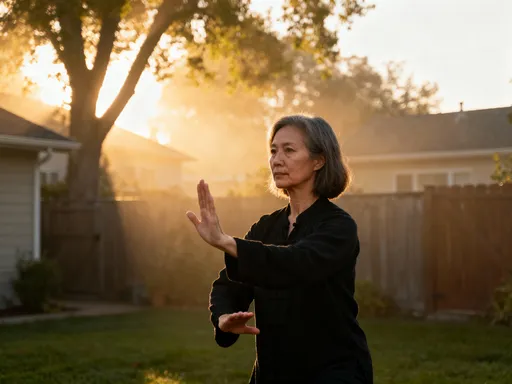
The first week was awkward. My movements felt stiff, my mind wandered, and I questioned whether I was doing it “right.” But I committed to consistency, practicing five days a week in a quiet corner of my living room, facing the morning light. I didn’t force myself to feel anything; I simply showed up. By the third week, subtle changes began to emerge. I noticed I was waking up with less grogginess. My afternoon energy crashes—once a daily certainty—became less intense. I wasn’t suddenly bursting with energy, but I felt more steady, more present.
One of the most surprising shifts was in my emotional resilience. I’ve always been reactive under stress—quick to frustration or overwhelm. But after six weeks of practice, I began catching myself before snapping at my kids or ruminating over small setbacks. It wasn’t that life got easier; it was that I responded differently. I attributed this to the breathing component of qigong, which taught me to pause, inhale deeply, and reset before reacting.
By the 90-day mark, the changes were undeniable. My sleep had improved. My posture felt stronger. Even my husband noticed I seemed “lighter,” as if a weight had lifted. I wasn’t chasing energy anymore—I was conserving and cultivating it. This wasn’t a miracle; it was momentum built through repetition, patience, and trust in the process. The practice had become less of a routine and more of a ritual—a daily act of honoring my body’s need for stillness and care.
How to Start Without Overthinking – A Beginner’s Blueprint
One of the greatest barriers to starting qigong is the belief that you need special equipment, space, or expertise. The truth is, all you need is ten minutes, comfortable clothing, and a willingness to begin. The key is simplicity. Choose one beginner-friendly form—such as the Eight Brocades or Standing Like a Tree (Zhan Zhuang)—and stick with it for at least 30 days. This allows your body and mind to internalize the movements and build a foundation of awareness.
Set a consistent time. Many find mornings ideal, as the practice can set a calm tone for the day. Others prefer evenings to unwind. What matters most is regularity. Anchor your practice to an existing habit—after brushing your teeth, before making coffee, or during a child’s quiet playtime. This makes it easier to remember and reduces decision fatigue.
Use free, reputable resources. The National Qigong Association and the Tai Chi for Health Institute offer evidence-based videos and guided sessions suitable for beginners. Avoid overly complex or fast-paced demonstrations. Look for instructors who emphasize alignment, breath, and relaxation over performance. Apps like Insight Timer and YouTube host high-quality qigong content, but be selective—choose teachers with credentials in traditional Chinese medicine or integrative health.
Avoid common pitfalls. Don’t push yourself to perfection. Qigong is not about how it looks but how it feels. If your movements are small or your focus wavers, that’s okay. Progress is measured in subtle shifts: a deeper breath, a moment of stillness, a calmer reaction to stress. Consider keeping a simple journal—note your energy levels, mood, or sleep quality before and after practice. Over time, patterns will emerge, reinforcing your motivation.
Beyond the Mat – Integrating Qigong Into Daily Rhythms
The true power of qigong extends beyond the formal practice. Its principles—mindful breathing, body awareness, intentional movement—can be woven into everyday moments. These micro-practices reinforce the benefits and help sustain long-term well-being. For instance, while waiting at a red light, take three slow, deep breaths. At your desk, pause to realign your posture, relax your shoulders, and soften your gaze. Between tasks, take a 60-second “awareness break”—feel your feet on the floor, your breath in your abdomen, your body grounded.
These small acts are not trivial. They interrupt the cycle of chronic stress by activating the parasympathetic nervous system—the body’s natural “rest and digest” mode. Over time, they retrain your nervous system to default to calm rather than tension. This is especially valuable for women managing multiple roles, where constant switching between tasks can lead to mental fragmentation and emotional fatigue.
Mealtime offers another opportunity. Before eating, pause for a moment of gratitude and breath. This simple act enhances digestion and promotes mindful eating. When caring for others—whether children, aging parents, or partners—carry the qigong mindset of presence and patience. Respond rather than react. Listen fully. Move with intention. These are not grand gestures, but they build emotional resilience and deepen connection.
Even household chores can become meditative. While folding laundry or washing dishes, focus on the rhythm of your movements and your breath. Let the task anchor you in the present. This transforms routine duties into moments of quiet renewal, reducing the sense of burden and increasing satisfaction. In this way, qigong becomes less of a practice and more of a lifestyle—a continuous thread of awareness that runs through your day.
Why This Isn’t a Trend – The Lifelong Edge of Gentle Practice
In a culture obsessed with speed, intensity, and visible results, qigong stands apart. It doesn’t promise dramatic weight loss or six-pack abs. It doesn’t require expensive gear or punishing schedules. Instead, it offers something more enduring: the ability to age with strength, grace, and vitality. As women enter their 40s, 50s, and beyond, the limitations of high-impact exercise become clearer—joint pain, recovery time, injury risk. Qigong, by contrast, supports the body without wearing it down.
Its benefits compound over time. Unlike short-term fixes that lose effectiveness, qigong builds a foundation of internal balance that becomes more robust with age. Practitioners often report greater emotional stability, sharper focus, and a deeper sense of well-being after years of practice. It’s not about achieving a goal but maintaining a state of alignment—physically, mentally, and emotionally.
Moreover, qigong is adaptable. It can be modified for pregnancy, recovery from illness, or limited mobility. It can be practiced seated, standing, or even lying down. This inclusivity makes it a rare wellness tool—one that remains accessible across life’s changing seasons. Whether you’re navigating perimenopause, managing chronic pain, or simply seeking more peace, qigong meets you where you are.
Its longevity is not accidental. Systems that endure do so because they work with the body, not against it. Qigong honors natural rhythms—day and night, effort and rest, movement and stillness. In doing so, it offers a counterbalance to modern life’s relentless pace. It’s not a trend because it doesn’t need to be. It’s a timeless practice, quietly available to anyone willing to pause, breathe, and begin.
The Quiet Revolution of Showing Up for Yourself
Transforming your health doesn’t require drastic changes or heroic efforts. Sometimes, the most profound shifts come from the smallest, most consistent actions. Qigong is not a cure-all, nor is it a replacement for medical care. But it is a powerful ally in the journey toward lasting well-being. It teaches us to listen to our bodies, to move with purpose, and to breathe with intention. It reminds us that self-care is not selfish—it’s essential.
The women who benefit most from qigong are not those seeking perfection, but those seeking peace. They are the ones who have carried the weight of responsibility for years and are ready to reclaim their energy. They understand that health is not a destination but a daily practice—one built on patience, presence, and compassion. Qigong offers a way to return to oneself, gently and steadily, without judgment or pressure.
If you’re considering starting, know this: you don’t need to be flexible, athletic, or calm to begin. You only need to be willing. Start small. Be consistent. Allow the changes to unfold in their own time. And remember, it’s never too late to invest in your well-being. This quiet practice may not make headlines, but for those who embrace it, it can transform lives—one breath, one movement, one moment at a time. Always consult with a healthcare provider before beginning any new wellness routine, especially if you have existing health conditions or concerns.