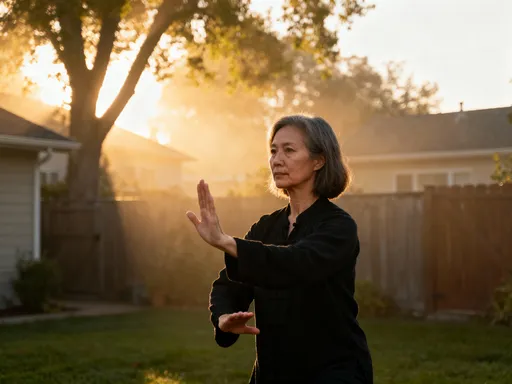
How I Finally Mastered My Energy—And What It Taught Me About Real Body Care
Ever feel tired even after sleeping enough? You’re not alone. Modern life drains energy in quiet, invisible ways—stress, poor recovery, and unnoticed daily habits. For years, I chased quick fixes until I realized true energy management isn’t about caffeine or crash diets. It’s about listening to your body. This is what changed everything for me: a deeper, more honest approach to body care that finally brought lasting vitality. What I discovered wasn’t a miracle supplement or a trendy wellness trend, but a series of simple, science-backed shifts that honored my body’s natural rhythms. This journey taught me that real energy isn’t something to be forced—it’s something to be nurtured, respected, and wisely managed.
The Hidden Energy Crisis Nobody Talks About
Low energy is one of the most common complaints among adults, especially women balancing work, family, and personal responsibilities. Yet, many are baffled when fatigue persists despite adequate sleep, regular meals, and attempts at fitness. The truth is, energy depletion often stems from factors that go unnoticed—chronic low-grade stress, disrupted circadian rhythms, and the cumulative effect of mental overload. These forces don’t announce themselves with alarms; they seep in gradually, eroding vitality over months or even years. The modern lifestyle, with its constant connectivity, fast-paced demands, and blurred boundaries between work and rest, creates a perfect storm for energy imbalance.
Unlike acute fatigue from illness or overexertion, this type of exhaustion is insidious. It shows up as afternoon brain fog, irritability, difficulty concentrating, or a persistent lack of motivation. Many people respond by pushing harder—drinking more coffee, cutting sleep short, or adopting restrictive diets—only to find themselves deeper in the cycle of depletion. The assumption that energy is simply a matter of willpower or discipline is not only inaccurate but harmful. It leads to self-blame and prevents individuals from seeking the real solutions their bodies need.
One of the most overlooked aspects of this hidden crisis is the mismatch between our biological design and our daily routines. Humans evolved to follow natural light-dark cycles, eat in rhythm with daylight, and alternate between activity and rest. Today, artificial lighting, screen exposure at night, irregular meal times, and constant cognitive demands disrupt these ancient patterns. The result is a body that’s perpetually in a state of low-level stress, struggling to recharge. Recognizing this mismatch was the first step in reclaiming energy—not through force, but through alignment.
Why Energy Is More Than Just Sleep and Coffee
Most people think of energy as a simple equation: sleep more, drink less caffeine, and you’ll feel better. While these factors matter, they represent only a fraction of the energy puzzle. True, sustainable vitality depends on complex biological systems working in harmony. At the core of this process are the mitochondria—tiny structures inside our cells often called the “powerhouses” because they generate most of the body’s energy in the form of ATP. When mitochondria function efficiently, energy flows. When they’re impaired by stress, poor nutrition, or lack of recovery, fatigue sets in—regardless of how many hours you spend in bed.
Hormonal balance plays an equally critical role. Cortisol, the primary stress hormone, follows a natural rhythm: high in the morning to help you wake up, and low at night to allow for rest. But chronic stress flattens this curve, keeping cortisol elevated when it should be dropping. This disrupts sleep, increases inflammation, and contributes to that wired-yet-tired feeling so many experience. At the same time, melatonin, the hormone that signals darkness and prepares the body for sleep, is easily suppressed by blue light from screens. When melatonin is delayed or reduced, the body’s ability to recover overnight is compromised.
Another key player is the autonomic nervous system, which governs the balance between activation (sympathetic) and rest (parasympathetic). Most people live in a near-constant state of sympathetic dominance—alert, reactive, and on high alert. Without regular activation of the parasympathetic system, the body never fully shifts into recovery mode. This means that even during sleep, the body may not be repairing tissues, consolidating memories, or restoring energy reserves as effectively as it should. Real body care, therefore, isn’t just about surface habits; it’s about supporting these internal systems so they can do their job.
My Turning Point: When I Stopped Ignoring My Body
For years, I prided myself on being productive. I woke early, worked late, and squeezed in workouts between meetings and school drop-offs. On paper, my routine looked healthy: seven hours of sleep, green smoothies, weekly yoga. But inside, I felt drained. I relied on afternoon coffee to stay alert, snapped at my family over small things, and dreaded weekends because they offered no real rest. The wake-up call came during a routine check-up when my doctor noted elevated blood pressure and suggested I look at stress management. That moment forced me to confront a hard truth: I wasn’t taking care of myself—I was managing symptoms while ignoring the root cause.
The shift began when I stopped viewing my body as a machine that could be pushed indefinitely and started seeing it as a feedback system. Every ache, every yawn, every moment of mental fog was a message, not a failure. I began tracking not just my sleep and steps, but how I felt throughout the day—when I had clarity, when I felt sluggish, when my mood dipped. This simple act of awareness revealed patterns I’d never noticed: energy crashes after carbohydrate-heavy meals, mental fatigue after long screen sessions, and a surge of calm after even ten minutes of quiet breathing.
This new mindset changed everything. Instead of asking “How can I get more done?” I started asking “What does my body need right now?” That question led to small but powerful changes—pausing to stretch, stepping outside for fresh air, choosing protein over pastries. I stopped measuring success by output and started measuring it by how I felt. The result wasn’t just more energy; it was a deeper sense of connection to myself, a renewed respect for my physical and emotional limits, and a realization that true wellness isn’t about perfection—it’s about presence.
The 3 Daily Levers That Actually Restore Energy
After months of experimentation and research, three practices emerged as the most effective tools for restoring and sustaining energy. These aren’t extreme or time-consuming; in fact, their power lies in their simplicity and consistency. The first is morning light exposure. Within 30 minutes of waking, I make it a point to step outside, even if just for five minutes. Natural sunlight helps reset the circadian clock by signaling the brain to stop producing melatonin and start releasing cortisol in a healthy, gradual way. This small habit has dramatically improved my alertness in the morning and my ability to fall asleep at night.
The second lever is intentional movement breaks. Sitting for long periods—even with a daily workout—slows circulation, reduces oxygen flow to the brain, and contributes to mental fatigue. Every 60 to 90 minutes, I take a five-minute break to walk, stretch, or do a few gentle squats. These micro-movements boost blood flow, reduce muscle stiffness, and help clear mental fog. Over time, they’ve become a non-negotiable part of my routine, much like brushing my teeth. The key is consistency, not intensity. It’s not about burning calories—it’s about keeping the body engaged and alert throughout the day.
The third and perhaps most transformative habit is a protein-focused breakfast. For years, I ate toast, cereal, or fruit in the morning, believing it was a light, healthy choice. But these meals led to blood sugar spikes and crashes by mid-morning. Switching to a breakfast rich in protein—such as eggs, Greek yogurt, or a smoothie with added protein powder—has stabilized my energy levels and reduced cravings. Protein slows digestion, prevents rapid insulin release, and supports neurotransmitter production, all of which contribute to sustained mental and physical performance. Together, these three levers—light, movement, and nutrition—create a foundation of daily energy that compounds over time.
Recovery: The Overlooked Half of Energy Management
In a culture that glorifies busyness, recovery is often seen as passive—or worse, a sign of laziness. But science shows that recovery is not the opposite of productivity; it’s a prerequisite for it. True recovery isn’t just about sleep; it’s about giving the nervous system regular opportunities to shift from “fight or flight” to “rest and digest.” This parasympathetic state is where healing, restoration, and energy renewal happen. Without it, the body remains in survival mode, burning through resources without replenishing them.
One of the most effective ways to activate recovery is through digital detox windows. Constant notifications, email checks, and social media scrolling keep the brain in a state of low-grade alertness. By setting boundaries—such as no screens for the first 30 minutes of the day and a hard stop on devices one hour before bed—I’ve created space for mental quiet. This simple change has improved both my focus during the day and the quality of my sleep at night. It’s not about eliminating technology, but about using it intentionally rather than reactively.
Breath pacing is another powerful recovery tool. Just a few minutes of slow, deep breathing—inhaling for four counts, holding for four, exhaling for six—can calm the nervous system and reduce cortisol levels. I practice this during transitions: after a meeting, before starting dinner, or when I feel overwhelmed. It’s a portable, immediate way to reset my state. Additionally, I’ve learned to value downtime as essential, not optional. Whether it’s sitting quietly with a cup of tea, walking without a destination, or simply doing nothing, these moments allow the brain to process, integrate, and restore. Recovery isn’t wasted time—it’s the invisible work that makes sustained energy possible.
Listening to Your Body: From Ignoring Cues to Trusted Dialogue
Most people are out of practice when it comes to listening to their bodies. We’ve been conditioned to override signals—pushing through fatigue, ignoring hunger or fullness, suppressing emotions. But the body communicates constantly, through subtle cues: a tight shoulder, a yawn, a change in appetite, a shift in mood. These are not inconveniences to be ignored; they are vital data points. Learning to pay attention to them was one of the most empowering changes in my journey.
For example, I used to schedule intense workouts regardless of how I felt. Now, I check in with myself first. If I’m unusually tired or achy, I might choose a gentle walk or restorative stretching instead. This doesn’t mean giving up on fitness—it means honoring my body’s current state. Similarly, when I notice brain fog after lunch, I don’t reach for sugar. I ask: Did I eat enough protein? Did I get morning light? Did I move enough before eating? These questions help me respond with care, not force.
Listening also means adjusting plans when needed. If I’m emotionally drained, I don’t schedule demanding conversations. If I’m physically tired, I don’t insist on cleaning the house. This level of self-awareness builds trust—between me and my body, and between me and my choices. It replaces guilt with compassion and rigidity with flexibility. Over time, this dialogue becomes second nature, guiding decisions not by external expectations, but by internal wisdom. The result is not just more energy, but a deeper sense of alignment and peace.
Building a Sustainable Energy Lifestyle, Not a Quick Fix
Lasting change doesn’t come from extreme diets, 5 a.m. workouts, or expensive supplements. It comes from small, repeatable habits that fit into real life. The goal isn’t perfection—it’s consistency. I’ve learned that missing one morning of light exposure or skipping a movement break isn’t failure; it’s feedback. What matters is returning to the practice, not punishing myself for straying.
Environmental design has played a crucial role in sustaining these habits. I keep a pair of walking shoes by the door, so a quick walk feels effortless. I prep protein-rich breakfast options the night before, reducing decision fatigue in the morning. I use warm-toned lighting in the evening to support melatonin production. These small adjustments remove friction and make healthy choices the default, not the exception.
Equally important is letting go of the all-or-nothing mindset. Energy management isn’t about doing everything perfectly every day. It’s about making informed choices, most of the time. Some days will be better than others—and that’s okay. What builds resilience is the overall pattern, not isolated moments. By focusing on integration rather than intensity, I’ve created a lifestyle that supports my energy, my mood, and my long-term well-being. This isn’t a temporary fix; it’s a lifelong practice of respect and care.
True energy management isn’t about hacks or shortcuts. It’s a daily practice of respect, awareness, and action. By aligning habits with the body’s natural rhythms and needs, lasting vitality becomes possible—not as a miracle, but as a result of consistent, informed care. What I’ve learned goes beyond energy—it’s a deeper understanding of what it means to live in harmony with myself. When we stop fighting our bodies and start listening, we discover that wellness isn’t something to achieve. It’s something to return to, again and again.